
Above & Beyond: Employee Recognition Stories & Lessons
Employee recognition can transform workplace culture, but knowing which approaches actually work requires learning from those who have done it successfully. This article brings together real stories and practical lessons from leaders and experts who have implemented recognition strategies that drive engagement and performance. The following examples show specific tactics that companies use to acknowledge contributions in ways that matter to their teams.
- Put Names On Outcomes And Control
- Show Trust And Back Their Leadership
- Play Heartfelt Videos From Members
- Deliver Specific Personal Credit
- Promote Craft Masters To Supervisors
- Tie Gratitude To Core Mission
- Invest In Development And Advancement
- Send Thoughtful Timed Care Packages
- Turn Invisible Impact Into Influence
- Be Timely Precise And Public
- Call Out Costly Decisions Avoided Immediately
- Provide Relief And Private Acknowledgment
- Pair Handwritten Praise With Rest
- Give Authority That Matches Strengths
- Treat Contributors As Business Partners
- Honor Judgment Under Pressure
- Grant Stage Time After Wins
- Spotlight Resilience To Spur Ownership
- Let Clients Voice The Thanks
- Listen First And Co-Create Programs
- Make Values Visible Every Week
- Share Career Journeys Publicly
- Post Custom Badges For Contributions
- Reward Excellence With Growth Opportunities
- Offer Regular Direct Appreciation
Put Names On Outcomes And Control
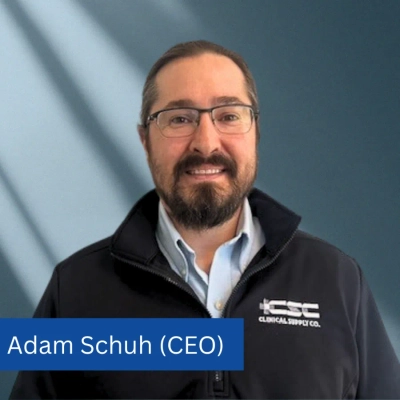
I'm CEO at Clinical Supply Company in Ohio, where we import and distribute dental supplies nationally. Recognition is tricky in distribution because the wins aren't always visible--our team prevents problems rather than solving dramatic ones.
The biggest impact I saw was when we promoted our quality control lead to Director of Product Development after she caught a microscopic defect pattern in a nitrile glove shipment that could've caused contamination issues for thousands of dental practices. Instead of just thanking her privately, I had her present the findings directly to our manufacturing partners in Malaysia and gave her full authority to redesign our incoming inspection protocols. That shipment rejection cost us $47K short-term but saved our reputation.
What surprised me: she didn't just fix the process--she invented one. Her new 3-stage testing system became the foundation for our EZDoff development, which reduced contamination risk by 73% and is now patent-supported. She went from catching one problem to preventing an entire category of them.
The lesson wasn't about recognition itself--it was about putting someone's name on the outcome, not just the task. Now when we launch products like Aloe Shield, the team member who drove it gets their title on the spec sheet and joins customer calls. Our employee retention in technical roles hit 94% last year because people see their fingerprints on what ships.
Show Trust And Back Their Leadership
I run a small family law firm in Greensboro, and honestly, the most impactful "recognition" I've given wasn't a bonus or award—it was time and trust. A few years ago, one of my associates was handling a complex surrogacy case and feeling overwhelmed. Instead of micromanaging, I carved out three hours to sit with her, walked through my approach to assisted reproduction agreements, and then let her take the lead with my full backing in front of the client.
She absolutely crushed it. The client later told me it was the most supported they'd felt during their entire family-building journey. What I learned: your team doesn't just want praise—they want to know you genuinely believe in their capabilities enough to hand them meaningful responsibility.
Since then, I've made it standard practice to publicly credit my team members by name when clients thank "the firm." Where bar reputation matters enormously, that visible recognition has kept turnover at zero for years. People stay where they feel genuinely valued, not just compensated.
The unexpected benefit? Younger attorneys now specifically seek us out because they've heard we actually develop their skills instead of just billing their hours. That reputation alone has been worth more than any marketing spend.

Play Heartfelt Videos From Members
I've been running VP Fitness since 2011, and one moment stands out from when we were growing fast in 2019. One of our trainers, Marcus, had been consistently staying late to help members who couldn't make regular hours—single parents, night-shift workers, people who'd otherwise skip workouts. Nobody asked him to do this.
Instead of just saying "thanks," I did something different. I surprised him by having every client he'd helped after-hours record a 10-second video message. We compiled it into a 3-minute reel and played it during our monthly team meeting. He broke down crying—had no idea the impact he was making.
What I learned: recognition hits different when it comes from the people whose lives you've actually changed, not just your boss. Marcus is still with us today and now mentors new trainers on that same after-hours commitment. That culture of going the extra mile became contagious—our entire team started finding their own ways to surprise members.
The business impact was real too. Our member retention jumped 18% that quarter, and we started getting referrals specifically asking for "that kind of gym where trainers actually care." You can't buy that reputation.
Deliver Specific Personal Credit
Being the Founder and Managing Consultant at spectup, I learned early that recognition has the most impact when it's specific, timely, and personal rather than formal or grand. One moment that stands out was after a particularly intense fundraising cycle where one of our team members quietly carried far more responsibility than their role officially required. They had coordinated investor follow ups, fixed last minute data issues, and kept the founder calm, all without seeking attention. After the round closed successfully, I decided not to default to a generic thank you or bonus announcement.
Instead, I wrote a detailed note explaining exactly what I had observed, how their actions reduced risk, and why the outcome would have been very different without them. I shared it privately first, then asked if they were comfortable with me acknowledging their contribution in front of the wider team. When I did, I connected their work directly to the client's success and our reputation as a boutique consultant that shows up when it matters.
The impact surprised me. Their confidence visibly increased, but more importantly, others began mirroring that level of ownership in later projects. One of our team members later told me it made expectations clearer than any process document ever had.
What I learned is that recognition works best when it reinforces values, not just effort. Going above and beyond is contagious when people understand what excellence actually looks like in practice. At spectup, that experience reshaped how I think about motivation. People don't just want to feel appreciated, they want to feel seen for the right reasons.

Promote Craft Masters To Supervisors
I run a window installation company in Chicago, and a few years back one of my lead installers—I’ll call him Tomas—managed to complete a 17-window replacement in a single day with his crew while maintaining absolute precision and keeping the site spotless. Instead of just a verbal "good job," I promoted him to crew supervisor the following week and let him train the next two hires personally.
What really mattered wasn’t the title—it was showing him I trusted his standards. He started staying late to mentor newer installers on proper sealing techniques and cleanup protocols. Our customer satisfaction scores jumped noticeably in the months after, and we saw a 30% increase in same-customer referrals for additional projects.
The big lesson: recognition works when it gives people more responsibility, not just rewards. Tomas didn’t want a bonus as much as he wanted to know his craftsmanship mattered enough that I’d let him shape how others worked. Now when customers specifically request him by name in reviews, he knows his reputation is built on something real.
I learned that in trades especially, workers care deeply about their craft being respected. Acknowledging someone’s skill by letting him pass it on creates a culture where everyone raises their game because they want to be the next person trusted to set the standard.

Tie Gratitude To Core Mission
When we launched Two Flags Vodka, my father and I knew we needed team members who truly believed in our Polish-American heritage story. After our first major event—the Polish Constitution Day Parade in Chicago—I gave our small team personalized bottles with their names engraved alongside General Pulaski's image and a handwritten note about how their specific contributions honored both flags we represent.
One team member had been hesitant about working trade shows, but after that recognition, she became our most passionate brand ambassador at the National Restaurant Association Show. She personally connected with over 200 restaurant owners by sharing authentic stories about our family's immigration journey and our distillery partnership in Rawicz, Poland. Those conversations directly led to 47 new account inquiries.
The biggest lesson: recognition that ties back to your company's core mission creates evangelists, not just employees. When people see themselves as part of something bigger—in our case, bridging two cultures through craftsmanship—they'll go harder than any bonus check could motivate them to.

Invest In Development And Advancement
I'm a managing partner at a Houston law firm, and I've learned that recognition works best when it's tied to giving people the platform to grow beyond their original role.
When Yaret Salas joined us in 2019 as a legal assistant, I noticed her genuine passion for the work within months. Instead of keeping her in that box, I encouraged and supported her pursuit of paralegal certification. She completed it in 2021, and now she's a certified paralegal and case manager who handles complex client matters independently.
What I learned is that investing in someone's professional development is the most powerful form of recognition. Yaret didn't just want acknowledgment—she wanted growth. By backing her education and promoting her capabilities internally, she became one of our most valuable team members.
The real impact? Our other staff saw that advancement was possible here. Sheree Harper evolved from filing clerk to full paralegal since 2011, and Karina Velasco leveraged her pre-med background to become an exceptional case manager handling medical claims. When people see their colleagues genuinely advance, they stick around and push themselves harder.

Send Thoughtful Timed Care Packages
One of the most meaningful recognition practices I developed was our surprises tradition. During particularly intense periods: product launches, end-of-quarter pushes, holiday sales, or after someone crushed a big project, I'd personally put together care packages for team members filled with beauty favorites, product samples, and little touches that showed I actually knew them as individuals.
What made it work wasn't the stuff itself. It was the timing and the personal nature of it. Someone would be in the weeds on a challenging project, and a package would arrive that acknowledged what they were going through. It created genuine moments of joy and made people feel seen as individuals, not just team members hitting targets.
The biggest lesson? Recognition lands differently when it's personal and contextual. A company-wide shoutout is nice, but it doesn't compare to someone knowing you've been working late for two weeks and acknowledging that specifically. The investment in paying attention to what each person was experiencing paid dividends in loyalty and morale that far exceeded the cost of the packages themselves.

Turn Invisible Impact Into Influence
I remember one moment that has stayed with us when the team was actually under quite a lot of pressure but really didn't want to draw attention to itself.
There was a senior engineer who had been working on our casting stability on various televisions and in various regions for weeks. It wasn't a big feature rollout. The average consumer would never see it unless something went wrong. It's the type of work that can be easily overlooked inside the company.
Rather than issuing a "thanks" in chat, we could go above and beyond in the following ways:
1. Made public: impact named
In the company-wide meeting, instead of applauding effort, we presented before-and-after numbers (crash rates, sessions, support tickets reduced) and connected those to this person's specific efforts.
2. Applied recognition into leverage
We asked them to make this work into a short internal playbook, and we assigned ownership of that domain going forward. Praise translates to recognition, then recognition leads to trust.
3. Made it personal and lasting
We followed up with a personal note with a learning budget they could apply to anything they wanted related to their interest—not just their current employment.
The effects:
- The person was much more confident and took initiative, leading and teaching others without being prompted.
- Then the rest of the team began to bring out "invisible work" into the open because they realized that it would be appreciated.
- Our culture had quietly shifted from trumpeting triumphs to celebrating meaningful impact.
What I've learned: recognition is most powerful when it makes someone's contribution visible, transferable, and remembered. Going above and beyond isn't about bigger rewards—it's about showing people that their work matters in context, and that trust follows impact.

Be Timely Precise And Public
One time that stands out was during a particularly stressful product launch. One of our operations team members stayed late for several nights to troubleshoot issues that weren't even in their direct responsibility.
Instead of just sending a thank-you email, I organized a small team celebration the next week, shared a personal note highlighting their contribution, and made sure leadership publicly recognized the impact of their work during a company meeting.
The effect was immediate, both on that individual and the team. The employee felt truly seen and appreciated, and others noticed that exceptional effort didn't go unnoticed.
What I learned is that recognition isn't just a pat on the back; it's about timing, specificity, and visibility. When people feel genuinely valued for going the extra mile, it reinforces the behaviors you want to see and strengthens team morale in ways that generic recognition never can.

Call Out Costly Decisions Avoided Immediately
Recognition is most effective when it says exactly what decision saved time or money. It is not effective to offer praise that is too slick or general. Targeted praise at one activity that costs money and time works. Naming your employer when he or she decides to modify the order of a 12,000-square-foot pour in 90 minutes instead of paying to do it again for $18,000 is a powerful message. The crew hears that being polite is less important than being right. That type of adulation spreads faster and farther than memos ever will.
Depth means that content and time are equally important. Praise immediately has an impact, while praise delayed is simply a program. I went to active job sites, stopped work for three minutes and agreed to a decision that kept three crews working without having to put in overtime. Providing an individual with a spot bonus immediately has a different impact than including the same amount in their paycheck weeks later. Culture is speed and momentum rides speed.

Provide Relief And Private Acknowledgment
I'm Lachlan Brown, co-founder of The Considered Man. I lead a small remote editorial team, so recognition has to be thoughtful and personal rather than performative.
One moment that stood out was when a team member quietly carried a difficult project while dealing with personal stress that most of us didn't see. Instead of a public shout-out, I wrote them a private note explaining exactly what their steadiness made possible for the rest of the team, and then adjusted their workload the following month without framing it as a reward. The impact was immediate. They felt seen rather than evaluated.
What I learned is that recognition works best when it reduces pressure instead of adding to it. People don't just want praise. They want relief, trust and proof that their effort has changed something real.

Pair Handwritten Praise With Rest
During a super-stressful season at Infinite Medical Group, I had an employee who was quietly and consistently holding everything together. I wrote her a handwritten letter acknowledging specific things I had noticed where her work ethic and attitude directly impacted the business... and me. I read this letter aloud to the team (and her) during one of our weekly meetings and was immediately greeted with tears. I paired the letter with an additional PTO day because she deserved it. I learned employee recognition does not need to be grand; it needs to be meaningful.

Give Authority That Matches Strengths
We once recognized our customer support rep by rewriting her role around her strengths. She handled tense calls with empathy and precision, so we promoted her into a new facility success lead seat. We gave her a budget to improve our scripts and training, then let her own the work. The impact showed up as fewer escalations and faster resolution time across accounts.
I learned that the best recognition is trust with real authority. Titles mean little if the person cannot shape the system. When we promote from proof, the team sees a future inside the company. That experience taught us to reward judgment, not just output volume.

Treat Contributors As Business Partners
When we successfully launched FocusGroupPlacement.com, rather than hosting our usual team dinner, I rewarded each team member with shares in the company and personalized thank-you notes highlighting their individual contributions to our successes. The result was immediate—not only was productivity up, but retention was much higher too because people felt they were valued as partners rather than being simply 'workers'. I discovered that real recognition is less about the dollar amount and more about letting people know that you see and value the blood, sweat, and tears they're pouring into their job—and this leads to a culture of employees who are motivated to continually knock it out of the park for your business.
Honor Judgment Under Pressure
A small team of employees worked together to solve a manufacturing issue that never made it outside of our company. While the work of this team had no immediate revenue generation and did not have a press release associated with it, had this team not taken stock of the situation, we would have completely neglected our responsibility to prevent a chain reaction that would lead to a longer recovery period for the company.
Rather than sending this team a generic "thank you" note, we chose to make the contributions of this team visible through an impactful way, including adequately communicating the accomplishments of this team to all employees of the company, outlining the contributions of this team and their situation during this time frame, i.e., the difficulties associated with making the correct determinations of actions to be taken.
To enhance this public acknowledgment of this team's work, we gave them time away from work and a tangible reward of appreciation; however, what truly created an impactful experience for this team was the ability to see how their decisions would impact the company versus simply seeing how much work they completed.
This experience taught me that when companies recognize employees for their adherence to the values of the company, as opposed to the results produced by those employees, the recognitions are more successful. Employees are not only interested in being recognized for their efforts but are interested in being recognized for the decisions they made during stressful times of pressure. By recognizing employees for their judgement ability during these stressful occurrences, we hold ourselves to a higher standard of the entire organization than if we just used simple praise.

Grant Stage Time After Wins
A developer on my team fixed a nasty scheduling bug right before launch. I mentioned it in our weekly demo and then asked him to co-present the product roadmap with me. He'd been pretty quiet before that, but afterward he started contributing more in meetings. It proved to me that giving someone a real opportunity is more powerful than just saying good job, especially when we're always moving so fast.

Spotlight Resilience To Spur Ownership
We once paused a regular meeting to recognize a team member who quietly managed a difficult project transition. During the discussion we shared clear examples of their problem-solving skills and steady patience. The team also invited them to mentor newer members who were still learning the process. This pause felt small at the time but it created a strong and lasting impression.
After that moment people began to face challenges with more ownership across teams. Instead of waiting for direction they stepped forward to solve issues and support others more actively. The experience showed that recognition which highlights resilience can encourage shared accountability within teams. When people feel valued during difficult work they build confidence that supports future efforts together.

Let Clients Voice The Thanks
One of my strategists saved an account we were about to lose. So on our next team call, I had the client thank her directly. The whole team's energy shifted. Suddenly, people were sharing much bolder ideas. Turns out, hearing it from the client meant way more than any praise from me. Combining both works best.

Listen First And Co-Create Programs
I led an engagement effort that began with a survey and small-group discussions, which surfaced a lack of recognition, and then partnered with managers to build tailored recognition programs. The result was higher survey scores and visible gains in discretionary effort, collaboration, and retention. I learned that listening first and co-creating with managers makes recognition specific, credible, and consistent.

Make Values Visible Every Week
I implemented a weekly "Mission Moment" in our all-hands to spotlight a remote employee by sharing a concrete example of how they lived our values, such as a teacher helping a student grasp a cultural nuance beyond the lesson plan. It strengthened connection across locations and made remote employees feel genuinely seen. I learned that consistent, story based recognition in a visible setting makes values real and keeps recognition inclusive.

Share Career Journeys Publicly
We had our cleaners share their career stories on LinkedIn. Maria talked about going from part-time to a management role, and you could see how proud she was in her photo. After that, job seekers started reaching out saying they saw those posts. It did more to show we care about people's futures here than any company memo ever could.

Post Custom Badges For Contributions
During a crazy deadline at Superpencil, I made badges for people's specific contributions and put them up where everyone could see. Suddenly, the team was sharing progress and helping each other out way more. Honestly, in all my time working in tech, making recognition a regular, visible thing is the only thing I've found that actually gets creative teams excited and working for each other.

Reward Excellence With Growth Opportunities
During a crucial stage of a project, one of our team members exhibited exceptional problem solving abilities. In recognition of their efforts, I gave them the opportunity to mentor a junior colleague. This decision had a positive impact not only on the individual but also on the entire team. It created a sense of shared responsibility and leadership, encouraging collaboration and knowledge exchange.
The experience taught me that recognition should focus on long-term growth rather than simply celebrating individual achievements. By offering opportunities for others to lead, we can cultivate a work environment where everyone feels valued and motivated to contribute. Thoughtful recognition has the power to build a stronger and more cohesive team that thrives together.

Offer Regular Direct Appreciation
I spend 5 to 10 minutes each month with every team member to offer specific appreciation for their work. A remote teammate later turned down a higher paying job because they felt respected and valued here, which showed the impact of simple, consistent recognition. I learned that direct, regular gratitude builds trust and strengthens retention.
