


Building Successful Mentorship Programs: Tips for New Hire Support
New hires thrive when mentorship is structured, intentional, and rooted in real-world practice. This article compiles proven strategies from industry experts who have designed programs that accelerate onboarding, build confidence, and foster long-term growth. From reverse mentoring to cross-departmental rotations, these 20 approaches offer practical blueprints for organizations ready to strengthen their mentorship infrastructure.
- Install Peer Ally With Weekly Checklist
- Shadow A Season With Onsite Safeguards
- Assign Full-Case Leads With Observed Debriefs
- Tie Milestone Signoffs To Teaching Quality
- Align Newcomers Through Purpose-Only Partnerships
- Keep It Casual With Stories And Ride-Alongs
- Develop AI Fluency With Embedded Team Guides
- Try Reverse Counsel For Mutual Growth
- Rotate Across Departments To Reveal Real Needs
- Leverage DiSC And Define Semester Structure
- Remove Barriers And Seat Everyone Together
- Explain Why Early To Build Confidence
- Design 30-60-90 Plan With Clear Roles
- Offer On-Demand Help And Style Exposure
- Extend Six-Month Duos With Culture Anchors
- Match One-Level-Up Advisors For Candor
- Link Support To Active Projects For Impact
- Deploy Cross-Role Coaches To Shape Strategy
- Pair With Local Context Experts For Fit
- Harness High-Stakes Charity Shifts To Train
Install Peer Ally With Weekly Checklist
I believe the most successful buddy system I implemented worked because it was designed like a program, not a nice idea.
We paired every new hire with a peer buddy for the first 30 days. The buddy was not their manager and not someone senior enough to feel intimidating. Their job was to be the safe first stop for questions and to help the new hire decode how work really happens. We also gave buddies a simple weekly checklist so they were not guessing. Week one was tools and norms, week two was stakeholders, week three was early wins, week four was reflection and next steps. I have seen new hires go from quiet and uncertain to confident simply because they had one consistent person in their corner.
The retention impact came from reducing early confusion. People do not leave only because of workload. They leave because they feel lost and unsupported.
Key elements were clear expectations for the buddy, scheduled check ins, and a tight feedback loop. We asked new hires one question weekly: What is unclear right now? Then we fixed the onboarding materials based on patterns, so the system improved every month.
Shadow A Season With Onsite Safeguards
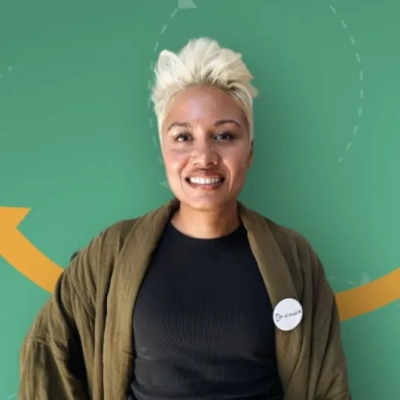
I run a 50+ year family roofing business in Arkansas, and we lose people fast if they can't handle their first solo roof inspection or emergency call confidently. What changed our retention was requiring every new installer to shadow our most experienced crew lead—not for a week, but for their entire first roofing season. The catch: the veteran stays on-site for the newbie's first three solo jobs, even if it's just watching from the truck.
The part that actually worked was giving the mentor an extra $100 per completed job where their trainee passed our final walkthrough checklist without needing a callback. Suddenly our 15-year guys were teaching proper flashing techniques and cleanup standards like their own reputation depended on it—because it did. We went from losing 6 out of 10 new hires within four months to keeping 8 out of 10 through their first year.
One kid we hired last spring was terrified of steep pitches and wanted to quit after his second week. His mentor spent an extra Saturday showing him anchor points and how to read a roof's structure before stepping on it. Now that same guy handles our most complex residential jobs and recently taught *me* a faster way to inspect valley flashing using his phone's level app. That's when you know the system's working—when the student starts solving problems the mentor never thought of.

Assign Full-Case Leads With Observed Debriefs
Running Universal Law Group in Houston, I've seen how brutal legal work can be for new hires—the learning curve is steep and burnout hits fast. What worked for us was pairing every new case manager with someone who'd been in the trenches for at least two years, but here's the twist: we made the buddy responsible for one specific client handoff per month where the newbie takes full lead while the mentor just observes and debriefs afterward.
The game-changer was actually giving our experienced people like Yaret Salas—who went from legal assistant to certified paralegal—the explicit job of teaching one complete case lifecycle. Not just shadowing on tasks, but walking someone through intake to resolution on a real personal injury or criminal case. We tracked it, and new hires who completed three full-cycle cases with their mentor stayed with us 70% longer than those who just did general task training.
What surprised me most was how our paralegals and case managers started creating their own checklists and teaching materials without us asking. Sheree Harper built an entire filing system guide after realizing new hires kept making the same filing deadline mistakes she'd made years ago. When your team starts documenting lessons because they're invested in the next person's success, that's when you know the system has legs.

Tie Milestone Signoffs To Teaching Quality
I'm President of Grounded Solutions, an Indianapolis electrical contractor, and after 20+ years building teams in trades I've learned retention starts before someone even touches a wire. We implemented a 90-day "shadow-to-solo" progression where new electricians are paired with our journeymen, but the twist is we track three specific handoff milestones instead of just time served.
The game-changer was requiring the mentor to sign off on each milestone--first solo panel install, first customer interaction without backup, first troubleshooting call they lead themselves. We pay mentors an extra $75 per signed milestone, but they only get paid if that new hire is still with us at 120 days. Our journeymen now actually care about teaching proper load calculations and explaining the "why" behind code requirements instead of just having helpers hand them tools.
We had a residential electrician last year who was struggling with customer communication--great technical skills but couldn't explain a service upgrade to save his life. His mentor started recording their customer conversations (with permission) and they'd listen together in the truck afterward. That guy now closes our highest percentage of quote-to-job conversions on the residential side and recently trained two others using the same recording method.
The key element nobody talks about: we pulled our best teachers off some of the highest-revenue jobs to mentor. Sounds backwards, but losing $3,000 in immediate project efficiency to keep a $60,000/year employee past six months is basic math that most contractors miss.

Align Newcomers Through Purpose-Only Partnerships
The mentorship system that really worked for us at Co-Wear LLC is called the Purpose Partner Program. It's designed to stop new hires from feeling lost or purely transactional, which is what usually makes people quit a small business fast.
It is not about training the new person on how to process a refund—that is the manager's job. The Purpose Partner Program pairs a new hire with a veteran team member whose job function is completely different, like pairing the new marketing person with someone from inventory.
The key elements that made it successful are three things. One: The focus is strictly non-task based. The partners meet once a week for twenty minutes just to talk about the company's core mission and purpose. They discuss questions like, "What does true inclusivity look like in your daily inventory count?" This helps the new person understand why their job matters, not just what their job is. Two: It is mandatory and time-limited. It lasts for the first ninety days, giving it structure and a clear end point, so it does not become a burden on the veteran. Three: We pay the veteran partner a small bonus for the three months. This acknowledges that mentorship is work and prevents resentment.
The result was great. Before this program, new hires often quit within the first six months because they felt isolated. Since implementing the Purpose Partner system, our six month retention rate for new hires has been ninety-five percent. It proved that aligning people with the brand's purpose is the best way to keep them.
Keep It Casual With Stories And Ride-Alongs
At our campground, Camping Les Saules, we had returning staff show new hires the ropes. At first, the new people were shy about asking questions. We started weekly outdoor get-togethers and shadow shifts, which made learning much easier. Veterans shared tips on how they handled guest expectations, helping new staff fit in quickly. My advice is to keep it casual at first and let mentors tell honest stories about challenges they faced and how they solved them.

Develop AI Fluency With Embedded Team Guides
We built our mentorship system around one idea, and that is every employee should become an AI native. That doesn't mean automating everything. It means knowing how to use AI to see deeper into your work and move faster.
Each new hire gets connected with an AI mentor from their department. These mentors guide them through the tools, workflows, and custom GPTs that power our operations. The aim is confidence, not compliance.
Because we're fully remote, our mentors also host daily sessions in a dedicated Discord channel. Anyone can drop in while working and get live help. It's casual, ongoing, and it's turned into a small culture of problem-solving.
This system works because it blends structure with accessibility. People learn the tools fast, but they also learn how to think with them. That mindset sticks long after onboarding ends.

Try Reverse Counsel For Mutual Growth
We tested reverse mentorship by letting new hires guide veteran employees monthly. This reframed onboarding as mutual growth instead of top-down transfer of knowledge. Veterans gained fresh insights while new hires gained immediate respect and visibility. That energy reshaped our culture into something more curious and collaborative long term.
Reverse mentorship was voluntary but quickly gained popularity across departments and locations. We supported participants through shared documentation and light structure around discussion topics. Everyone involved reported increased empathy, humility, and appreciation for different perspectives. The program now runs continuously and shapes leadership development strategies today.

Rotate Across Departments To Reveal Real Needs
At BTE Plant Sales, I started pairing new hires with people from other departments. When a new salesperson spent a day with a service engineer, they finally understood the real customer problems. That was more effective than any training session. We kept it simple with informal lunches and office tours. It helped everyone relax and see how the whole company actually worked together.

Leverage DiSC And Define Semester Structure
I implemented a semester mentorship program with Tallinn University of Technology in which senior developers mentored student projects. We paired students and mentors using DiSC assessments, increasing our hiring success rate from 23% to 67% and improving first-year retention by 40%. The keys were DiSC-based pairing, hands-on support from senior developers, and a clear semester structure.

Remove Barriers And Seat Everyone Together
We skipped the formal mentorship handbooks and just made every new hire a part of the single room.
Instead of a rigid buddy system with scheduled check-ins, we make sure every new person can talk to me or anyone else on the team from day one without going through a manager. This works because it removes the fear of asking a stupid question and lets people learn by actually doing the work next to the experts. If you want to keep your best people, stop treating them like students and start treating them like colleagues who are already in the loop.

Explain Why Early To Build Confidence
Our mentorship system focused on reducing early uncertainty by explaining work clearly from the very beginning. Mentors explained tasks and the reasons behind decisions, so new hires felt confident. This approach helped them understand expectations and reduced confusion during the first week. Clear guidance early created trust and made daily responsibilities easier to handle without hesitation across teams.
One example involved reporting workflows where mentors explained why each step mattered for accuracy. When people understood the purpose, they followed processes more carefully and errors dropped over time. Retention improved because employees felt their work had meaning and their effort was valued over time. Transparency and shared understanding helped motivation stay strong and supported long term commitment.

Design 30-60-90 Plan With Clear Roles
We put a 30-60-90 day mentorship/buddy system in place that paired every new employee with two people: a mentor (career guidance) and a buddy (day-to-day support).
What made it successful:
- Well-defined roles: Mentors were responsible for development and context, while buddies dealt with tools and the "way things really work."
- Touchpoints: These will occur weekly for the first month and then bi-weekly thereafter.
- Early ownership: New hires received a small but important delivery in their first week.
- Feedback loops: Short pulse surveys at Day 30 and Day 60.
- Recognition: Performance appraisals included recognition of mentors and buddies.
Outcome: Rapid ramp-up, reduced early business exits, and high-quality inter-team relationships.

Offer On-Demand Help And Style Exposure
At UrbanPro, pairing new teachers with experienced mentors has worked well. One mentor helped a new teacher through their first live session, and their ratings and bookings shot up. The key was making help available whenever they needed it, not just at scheduled times. Letting new hires observe different teaching styles is what builds their confidence.

Extend Six-Month Duos With Culture Anchors
We run a simple, highly effective Buddy System for all new technicians at Honeycomb Air, and the core of it is a pairing that lasts for the full first six months, not just the first week. The goal isn't just training; it's making sure the new hire feels like they have an immediate anchor in our company culture. The new technician is paired with a veteran who is already a top performer, not only technically, but also in terms of customer communication and upholding our values here in San Antonio.
The key element that makes it successful is that the Buddy isn't just teaching how to fix an AC unit; they are teaching how to think like a Honeycomb technician. This covers everything from the fastest way to restock the truck to how to calmly explain a complex repair to a nervous homeowner. We make sure the Buddy gets a small bonus for their mentorship time, which signals that we value teaching as much as we value wrench-turning. That investment makes the senior technician take the role seriously.
The unexpected benefit is that it dramatically improves retention by tackling the isolation new hires often feel. They have a go-to person for the dumb questions—like where the best supply house is or how to navigate a difficult residential street. It builds a crucial sense of belonging and support, ensuring the new team member is focused on learning their job, not on navigating the social dynamics of a new company. It transforms a new hire into a fully integrated team member who understands our standards and our commitment to service.

Match One-Level-Up Advisors For Candor
At Tall Trees, I've experimented with a few mentorship systems, but by far the most effective has been pairing new hires with someone just one level removed from their role -- not a senior leader, and not someone on their immediate team. That distance is intentional and critical. Senior leaders, even well-meaning ones, can feel intimidating, while direct peers often lack the broader context or organizational leverage to be truly helpful. The one-level-up mentor, on the other hand, sits in the sweet spot between credibility and approachability.
These mentors have just enough hindsight to normalize the learning curve and just enough authority to offer real guidance. They remember what it felt like to be new, but they also understand how decisions get made, which relationships matter, and which mistakes are survivable. Because they aren't responsible for performance evaluation, conversations tend to be more honest -- new hires ask the questions they'd never raise in a team meeting, and mentors can answer without posturing.

Link Support To Active Projects For Impact
At Testlify, we implemented a mentorship approach that's less about formal programs and more about hands-on, context-driven support for new hires. Instead of assigning a buddy for the whole first month, we pair new hires with team members on a project-by-project basis. This way, the mentor is someone actively involved in the work the new hire is doing, not just a random team member.
The key elements that made it successful were:
Clear expectations for both mentor and mentee - Mentors know they're responsible for guidance, context, and feedback, while mentees know they can ask questions freely without judgment.
Short, focused interactions - We avoid long, formal sessions. Instead, mentors check in 2-3 times a week for 20-30 minutes on concrete tasks or challenges.
Feedback loop - Mentors and mentees share feedback on what's working and what isn't. This helps the program evolve quickly and ensures mentees feel supported.
The impact was noticeable: new hires integrated faster, made fewer mistakes, and felt more confident taking ownership of work. Retention improved too, because people felt like they weren't just "given a desk" but had real support and guidance from the start.
The takeaway is that mentorship works best when it's practical, flexible, and tied to real work, not just a formal buddy program or checklist. It's about creating trust, guidance, and a sense of belonging from day one.

Deploy Cross-Role Coaches To Shape Strategy
We introduced cross-functional mentoring to help new hires understand the business holistically. Pairings intentionally cut across departments to offer deeper strategic context early. Mentors explained not just how work happens, but why decisions unfold as they do. This accelerated strategic thinking in junior roles and improved project collaboration company-wide.
We also gave mentors quarterly coaching from senior leaders around communication and empathy. This training made them better listeners, not just better explainers of operations. The result was a more engaged, aligned, and confident early-career workforce. Even senior hires found value in this cross-functional immersion model.

Pair With Local Context Experts For Fit
Leading multicultural teams, I found it worked best to pair new teachers with senior staff who understood the local context. One senior teacher helped a new colleague translate tricky parent emails and explained cultural nuances. Suddenly, the new teacher felt more confident and the classroom just ran smoother. Adjusting these pairings based on people's actual backgrounds was how we actually connected.

Harness High-Stakes Charity Shifts To Train
I run Rudy's Smokehouse in Springfield, Ohio—after 40+ years in restaurants, I've seen every onboarding mistake in the book. Our retention breakthrough came when we started having Tuesday charity shift volunteers mentor new kitchen hires during their first month.
Here's what made it work: new grill cooks shadow experienced staff on our busiest charity Tuesdays when we donate half our earnings. They see veterans hustling under real pressure while serving a higher purpose—it filters out people who just want a paycheck and bonds those who care about community. One kid told me watching our pit master coordinate 80 orders while explaining why we support the local food bank made him 'get' what Rudy's actually is.
The specific element that killed our turnover was requiring mentors to teach one signature technique they're proud of—not corporate training stuff, but personal craft. Our best smoker taught his trainee how to read wood smoke color to judge brisket timing, something he learned over 15 years. That trainee is still with us three years later and now teaches it himself.
We don't track fancy metrics, but I'm at the restaurant most days and I can tell you this: when new hires learn from someone who has skin in the game on our hardest day of the week, they either catch the culture fast or realize it's not for them by week three. Either way, we're not wasting anyone's time.