

Formal vs. Informal Recognition: Creating a Holistic Approach
Employee recognition isn't one-size-fits-all, and finding the right balance between structured programs and spontaneous appreciation can transform workplace culture. This article draws on insights from industry experts to explore practical strategies that combine formal awards with everyday acknowledgment. Readers will discover actionable approaches to build a recognition system that drives engagement, reinforces values, and celebrates both major achievements and small contributions.
- Balance Awards with Instant Shoutouts
- Set Standards Reward Field Instincts
- Tie Feedback Scores to Floor Cheers
- Make Owner Impact Clear Credit Proactive Fixes
- Celebrate Benchmarks Highlight Compassionate Canine Service
- Pair Equity Incentives with Visible Early Wins
- Grant Precision Bonuses Applaud Yard Problem Solvers
- Let Authentic Gratitude Lead while Structure Supports
- Nominate Standouts Echo Mission Triumphs
- Anchor Growth with Milestones and Notes
- Provide Benefits and Spotlight Sales Mastery
- Profile Monthly Heroes and Send Swift Kudos
- Document Care Praise then Deliver Direct Thanks
- Record Clinical Excellence and Voice Specific Appreciation
- Track Deliverables Showcase Daily Contributions
- Hold Seminars and Offer Confidential Guidance
- Host Quarterly Luncheons with Personal Calls
Balance Awards with Instant Shoutouts
As CEO of Software House, I've found that formal and informal recognition serve completely different psychological needs, and you need both running simultaneously for a healthy culture.
Formal recognition example: Every quarter, we hold a team-wide meeting where I present our "Impact Award" to someone who delivered measurable business results. Last quarter, it went to a backend developer who optimized our API response times by 65%, directly improving client satisfaction scores. The award comes with a $500 bonus, a LinkedIn recommendation from me, and public acknowledgment in front of the entire company. This type of recognition validates achievement against company goals and gives people something concrete for their career portfolio.
Informal recognition example: Last Tuesday, I noticed a junior developer staying late to help a colleague debug a complex authentication issue that wasn't even in her sprint. The next morning, I sent a Slack message in our general channel saying exactly what I observed and why it mattered to our team culture. No bonus, no ceremony, just genuine acknowledgment within 12 hours of the behavior.
The balance works because formal recognition is too slow for daily motivation. If someone does something great on Monday but doesn't hear about it until the quarterly meeting in six weeks, the motivational impact is nearly zero. Informal recognition fills that gap.
Conversely, only having informal recognition can feel arbitrary and inconsistent. The formal structure ensures everyone has equal opportunity to be recognized based on measurable contributions. At Software House, we aim for a 4:1 ratio of informal to formal recognition moments.

Set Standards Reward Field Instincts
Running a fourth-generation equipment company means your people are your legacy—recognition isn't HR fluff, it's how you protect 60 years of reputation.
For formal recognition, when our team hits a turnaround benchmark on a repair—say, getting a contractor's machine back before it costs them a lost workday—we document it and call it out in our team review by name. Contractors notice fast turnaround, and so should we internally.
The informal side looks like this: one of our guys caught a hydraulic fluid contamination issue during a routine inspection before it became a catastrophic system failure for a customer. I walked over and told him directly, same day—"You just saved that contractor thousands in downtime." No meeting, no memo.
The real balance is simple: formal recognition sets the performance bar, informal recognition catches the instincts that no policy can fully train. In construction equipment, those instincts—spotting a cracked fan blade, flagging a DPF warning early—are what separate a good team from a great one.
Tie Feedback Scores to Floor Cheers
Having operated Fitness CF for over 40 years and collaborated with REX Roundtables for Leaders, I've learned that a "customer first" culture requires staff who feel their impact is both measurable and personal. Balancing formal systems with informal praise ensures that operational excellence is maintained without losing the human connection that keeps members motivated.
For formal recognition, we utilize the Medallia feedback platform to link staff performance directly to real-time member satisfaction scores, creating a data-driven path for professional growth. This turns member insights into tangible proof of success for our team, reinforcing our commitment to accountability and high-quality fitness experiences.
Informally, I encourage our trainers to celebrate "micro-wins" on the gym floor, such as a beginner mastering their first set of Romanian deadlifts or a member hitting a new personal best on the treadmill. These unscripted moments of encouragement build a supportive community atmosphere that reinforces the principle that every small effort is a step toward a larger goal.
Make Owner Impact Clear Credit Proactive Fixes
I'm a co-owner at Mountain Village Property Management in Bozeman, managing single-family and multi-unit rentals across Southwest Montana, so recognition has to reinforce the two things our owners and tenants feel immediately: responsiveness (we guarantee 48-hour maintenance response) and consistent execution (we run at ~98% occupancy).
**Formal recognition:** I tie it to a measurable "owner-impact" metric and make it visible. Example: after a brutal cold snap, we tracked response time and resolution time across emergency tickets; the coordinator who kept every non-emergency request inside our 48-hour window (and documented before/after photos cleanly for the owner portal) got a written performance note, first pick on PTO dates for the next quarter, and I used their workflow as the standard in our ops checklist.
**Informal recognition:** I do fast, specific, private call-outs tied to judgment, not just effort. Example: a showing agent noticed a recurring tenant concern that wasn't a "repair" (drafty room from a misaligned door sweep) and fixed it same day before the next showing; I texted them immediately with what it prevented (a longer vacancy + repeat complaint) and why that kind of initiative is how we keep occupancy high.
The balance for me: formal = repeatable behaviors that protect the brand and the numbers; informal = real-time reinforcement for the small decisions that prevent headaches for owners and tenants.
Celebrate Benchmarks Highlight Compassionate Canine Service
As a multi-unit franchise leader at Barkology Wellness and former Orangetheory Area Developer, I've scaled teams by blending structured recognition with spontaneous praise to boost retention and performance.
Formal recognition anchors our standards—like awarding our "Wellness Elite" membership milestone bonus to groomers who book 20+ unlimited PEMF/Red Light sessions monthly, celebrated in team huddles with a $50 gift card and public shoutout, driving 15% higher upsell rates.
Informal recognition fuels daily morale—spotting a tech calmly soothe an anxious senior dog during a full groom, I pull them aside post-shift: "That patience turned stress into tail wags; you're redefining our warmth."
This mix creates holistic growth: formal motivates metrics, informal embeds our pack culture, yielding energized teams and thriving client experiences.
Pair Equity Incentives with Visible Early Wins
I balance formal and informal recognition by pairing tangible rewards such as equity or bonus programs with clear, visible ownership and daily acknowledgement. For example, I use a 90-day impact plan that defines how a new hire will influence product direction, customers, or revenue and link that plan to meaningful ownership or a bonus tied to company success. Informally, I make early wins visible by celebrating them in company meetings and giving the person autonomy to lead a cross-functional initiative. This approach makes recognition both measurable and immediate and helps people see the connection between their work and the company’s progress.
Grant Precision Bonuses Applaud Yard Problem Solvers
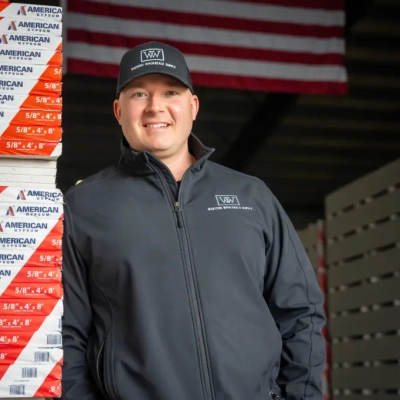
As a third-generation co-owner of Western Wholesale Supply, a veteran-owned supplier with 60+ years serving Idaho builders, my Navy officer discipline shapes how we recognize teams—driving the reliable deliveries and precise estimates our reviews rave about.
Formal recognition hits quarterly: we award $300 bonuses to estimators like our team who deliver 100% accurate material takeoffs, as Robert Figueroa's 20-year testimonial notes zero invoice errors on his bids, directly boosting contractor win rates.
Informal recognition sparks daily: when Dusty troubleshoots a tool like Ed did for Randy Munson's taper back in the '90s, I note it right there in the yard, reinforcing that hands-on grit keeps us as contractors' first choice.
This mix—formal metrics anchoring accountability, informal nods fueling loyalty—creates teams as tight as our supply chain, turning 5-star Google reviews into repeat business year after year.
Let Authentic Gratitude Lead while Structure Supports
Most recognition programs fail because they're designed to look good on paper rather than feel real in practice. When companies treat recognition as a scheduled event or a quarterly checkbox, it loses the thing that actually matters: authenticity. The balance isn't about splitting time between formal and informal. It's about building a culture where appreciation happens naturally, and the formal moments simply amplify what's already there.
On the formal side, we have a weekly company meeting where everyone joins from different continents and time zones. After handling business, we play games, run trivia, share photos from our weekends. It's structured, it's consistent, and it gives people a rhythm of connection. That predictability matters when your team is spread across the globe.
But the informal piece is where culture actually lives. Any team member can message me or anyone on leadership directly and get a real response. If someone needs to disappear for something personal, there's no interrogation, no paperwork, no guilt. They just go handle it. That kind of trust communicates more than any award ever could.
When a company culture is built on kindness and respect, you don't need a special "day" to celebrate your people. Recognition stops being an event and starts being how you operate. That's when it actually works.

Nominate Standouts Echo Mission Triumphs
With 30 years leading Safe Harbors to 12 Amtrak Golden Spike Awards and being named Maryland Business of the Year, I've learned that recognition is the fuel for our "white-glove" global service.
Formally, we provide national industry validation by nominating standout team members like Sandy Armstead for the "Travel Leaders Employee of Excellence" award, which cements their professional status beyond our office walls.
Informally, we celebrate "mission-driven" wins when a consultant navigates complex humanitarian airfare requirements for a non-profit, reinforcing the empathy required for high-stakes duty of care.
By anchoring long-term careers with formal accolades and daily wins with mission-aligned feedback, we ensure our culture reflects the responsiveness and accountability our global clients expect.

Anchor Growth with Milestones and Notes
As CEO of Netsurit since 1995, leading 300+ people across three continents with a people-first philosophy, I've scaled via the Dreams Program and kept culture strong post-acquisitions like Vital I/O.
Formal recognition anchors long-term growth: in our Dreams Program, an employee set a leadership certification goal, achieved it, and we celebrated publicly with a growth bonus, mirroring our multi-year Inc. 5000 and MSP 501 rankings from sustained team excellence.
Informal recognition fuels daily purpose: after Louis de Klerk's bronze Globee CTO of the Year win for the Productivity Monitor, I shared a personal note on its impact to our Microsoft partnerships, sparking immediate team pride.
This balance--milestone programs plus on-the-spot affirmations--prioritizes people first, boosting retention and innovation as profits follow.

Provide Benefits and Spotlight Sales Mastery
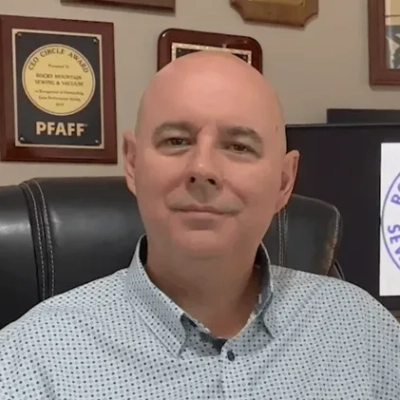
As owner of Rocky Mountain Sewing & Vacuum, I've grown us from one store in 2008 to four locations, a warehouse, service center, and event center by fostering a "joyful work environment" that balances structured rewards with everyday appreciation.
For formal recognition, we offer full-time staff competitive wages with high earning potential, 401(k), medical benefits, paid vacation, sick days, holidays, and employee discounts after 90 days—this retains talent, as seen in our steady expansion without high turnover.
Informally, we shout out top performers during team huddles for mastering demos on machines like the Juki HZL-F600, creating immediate buzz and fun that aligns with our "Sewing Fun Starts Here" motto.
This mix motivates daily while building long-term loyalty, powering our "Finding a Way to Say Yes" culture.
Profile Monthly Heroes and Send Swift Kudos
We use both, and the combination creates something neither can achieve alone. Formally, I run a monthly "Team Spotlight" at our huddle — I recognize one person for a specific contribution, name what they did, and explain why it mattered. Last month that was a team member who went back to a client's home unprompted because she noticed a detail she'd missed. I called it out in front of the group and gave her a gift card. That formality signals: this behavior is valued here.
The informal side is simpler — a 15-second text when I get off the phone with a happy client: "Mrs. Chen just called, said you were incredible." I also say thank you in person, in the moment, when I catch someone doing the extra thing — not at a meeting, right then. People can tell when recognition is spontaneous versus scripted, and the spontaneous kind lands deeper.
Together, formal recognition sets the cultural standard, while informal moments remind people I see them as individuals. In a service business where team members represent the brand inside someone's private home, that combination has been essential for retention.
— Marcos De Andrade, Founder, Green Planet Cleaning Services (greenplanetcleaningservices.com)
Document Care Praise then Deliver Direct Thanks
I've spent 15+ years building and leading sales and care teams across home health, hospice, and caregiver services—recognition isn't just HR policy for me, it's a retention and culture tool in an industry where burnout and turnover can directly harm patients.
Formal: At Lucent, when a caregiver receives an unprompted positive review from a family—specifically calling out something like language support or a culturally sensitive moment—I document it, bring it to a leadership meeting, and tie it to a tangible reward. It goes on record. That paper trail matters because it signals to the whole team that quality care is measurable and career-relevant, not just "nice to have."
Informal: When a care coordinator catches a scheduling gap that would've left a post-surgical patient without a skilled nurse visit and quietly fixes it before anyone noticed—I stop, look them in the eye, and say exactly what they prevented. Not a Slack message. Not a group shoutout. A direct, specific, 30-second conversation while it's still fresh. In healthcare, that kind of invisible problem-solving saves lives and rarely gets seen—naming it changes behavior.
The real balance: formal recognition builds the standard, informal recognition protects the culture between those milestones. If you only do one, you either get compliance without heart, or warmth without accountability.

Record Clinical Excellence and Voice Specific Appreciation
Recognition in a clinical environment needs to be genuine to mean anything. People who work in medicine are perceptive. They notice when appreciation is performative versus when it reflects real observation.
Formally, I make a point of acknowledging colleagues in writing when something has gone particularly well. When a scrub nurse anticipates a complex step during a DALK procedure and the outcome is better for it, I document that contribution and ensure it reaches the appropriate clinical lead. That kind of formal recognition creates a record and signals that the work was seen.
Informally, it is often a quiet word at the end of a list. Simply stopping, making eye contact, and saying specifically what was handled well. Let me tell you, specificity matters enormously here. You managed that anxious patient with real skill and it lands differently than generic praise. It tells the person that you were present and paying attention, which is the most honest form of recognition in any professional setting. The two approaches together create something more credible than either alone.
Track Deliverables Showcase Daily Contributions
At Otto Media, I balance formal and informal recognition by pairing structured checkpoints with visible, outcome-focused signals that make contribution clear. Formally, we use stage gates and peer reviews in ClickUp so completion and ownership are recorded as part of the workflow. Informally, our client-visible checklists and ClickUp audit trails let teammates and clients see shipped work, providing everyday visibility of effort. Since shifting from hours to deliverables, productivity and trust rebounded because the only thing that counts now is shipped work.

Hold Seminars and Offer Confidential Guidance
As MD and founder, I balance formal and informal recognition by pairing visible, scheduled programs with everyday personal support. Our formal recognition comes through quarterly mental health literacy seminars in Bangkok led by licensed psychologists, which publicly acknowledge staff effort and prioritize well-being. Informal recognition happens through private counseling and encouraged case debriefs after complex procedures, providing confidential, timely acknowledgment of individual challenges and successes. Together these practices normalize mental health conversations, reduce stigma, and improve team communication.

Host Quarterly Luncheons with Personal Calls
I've found that mixing formal awards with casual thanks works best. I hold quarterly team lunches to celebrate top performers, which helps keep everyone focused on our goals. But a quick phone call to thank an agent for going the extra mile for a client, that's what builds real loyalty. When people are working hard, those small gestures are what they remember most.