

How to Give Constructive Feedback: 23 Tips for Employee Retention
Constructive feedback shapes employee performance and directly influences whether talent stays or leaves an organization. This article compiles proven strategies from leaders across industries who have mastered the balance between honest critique and genuine support. These experts share actionable techniques that transform feedback from a dreaded conversation into a powerful tool for growth and retention.
- Connect Technical Pride To Human Results
- Expose Field Consequences To Drive Growth
- Coach Privately And Center Client Journey
- Prompt Self-Discovery To Improve Mentorship
- Require Justification Before Price And Purchase
- Reveal Stakes Then Assign Stewardship
- Lead With Data And Collaborative Help
- Shift To Transcreation And Cultural Relevance
- Highlight Customer Impact And Redesign Approach
- Model Precision And Explain The Why
- Teach Proven Structure To Win Cases
- Remove Fear And Involve In Solutions
- Show Documentation Gaps And Standardize Evidence
- Align Sales Method With Brand Experience
- Elevate Curiosity And Pivot With Trust
- Diagnose Process Friction And Empower Agency
- Spark Reflection And Grant Freedom
- Offer Precise Recognition And Timely Rewards
- Display Empathy And Build Safety
- Apply SBI For Specificity
- Exhibit Humility And Prioritize Input
- Frame Outcomes And Coauthor Improvement
- Implement Real-Time Guidance
Connect Technical Pride To Human Results
I had a tech who was incredibly skilled with micro-soldering but would get visibly frustrated when customers asked basic questions during device pickup. She'd give one-word answers and rush people out, which tanked our Google reviews for three straight weeks. Instead of a sit-down talk, I had her listen to a voicemail from a customer whose wedding photos we'd just recovered—the woman was crying thanking us. Then I played her a different voicemail from someone who said they'd never come back because they "felt stupid for asking questions."
I told her that her soldering talent is why we saved those wedding photos, but her communication style is why that second customer will tell 10 friends to avoid us. We role-played three common pickup scenarios right there at the bench. She's an engineer like me, so framing it as "your technical win doesn't count if the customer experience fails" clicked immediately.
Within two weeks, customers started specifically mentioning her by name in positive reviews. She stayed because she finally saw that explaining a logic board repair in plain English is just as skilled as doing the repair itself. The key was connecting her technical pride to the human outcome, not making it about her attitude.

Expose Field Consequences To Drive Growth
I've built KDG from a one-man operation to a team of twelve, and the feedback moment that stands out most happened with Noah Zarnosky. When he came to us straight out of college, he was technically solid with software like MicroStation but struggled to see how his drawings translated to actual construction in the field.
Instead of red-lining his plans at my desk, I started bringing him to job sites during construction. We'd stand there with his drawings while framers pointed out where details were unclear or dimensions didn't account for real-world materials. He could see tradespeople asking questions that his plans should have answered. That field exposure turned him from a cautious intern into someone who now confidently manages entire residential projects.
The key wasn't softer delivery--it was showing him the consequence in real time, not in theory. When you see a builder pause and scratch his head at your drawing, that sticks with you more than any markup I could write. Noah's now been with us for years and trains our newer architects the same way, taking them on site instead of just correcting their CAD work.
I learned this approach from my teaching days at Gahanna--students remembered the field trips and hands-on projects far more than lectures. Architecture isn't an abstract exercise; it's about people building real things, and feedback works best when employees can see their impact rather than just hear about it.

Coach Privately And Center Client Journey
I once had a buyer's agent on my real estate team who was great with clients but struggled to follow up after showings. Our houses were getting strong interest, yet contracts were slipping because he avoided direct conversations when feedback felt uncomfortable. Instead of calling it out in a meeting, I invited him for coffee and asked him to walk me through his entire process after each showing.
As he talked, he realized where things were stalling. I shared what I had observed and tied it to our clients' experience of the home-buying process. I explained that timely follow-up is not about pressure, it is about service and clarity.
We role-played a few post-show calls, and I gave him a simple script he could adapt. I checked in every single week for a month, reviewed his calls, and celebrated small improvements. Within weeks, his conversion rate improved, and his confidence grew.
He later told me that the private setting and practical support made the feedback feel like coaching rather than criticism. The key was to make the feedback about the client's experience in real estate, not about his shortcomings, and to stay involved while he built the habit.

Prompt Self-Discovery To Improve Mentorship
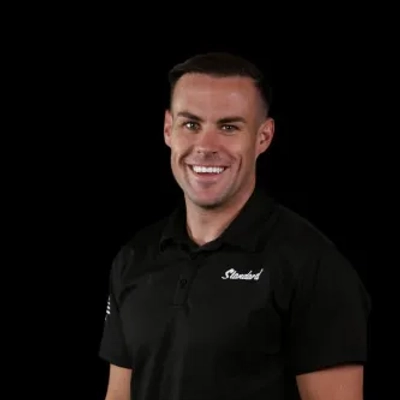
I've worked nearly every job at Standard Plumbing Supply since I was eight years old, sweeping warehouses, so I've been on both sides of tough conversations. One situation that stands out was with a warehouse supervisor who was technically excellent but dismissive when newer employees asked questions—we were turning over in his department was becoming a real problem.
Instead of calling him into my office, I asked him to walk me through training a new hire for the day. Halfway through, I started asking basic questions myself—playing the role of someone who didn't know our VMI system inside-out. He was patient and thorough with me, which opened the door for me to ask: "Why do the new guys get a different version of you?"
That hit home. He admitted he saw hand-holding as weakness because he'd learned everything the hard way. I told him his expertise was exactly why people needed him to slow down—we were losing good people who just needed 30 more seconds of his time. Within two months, his department's retention went from our worst to our best, and he became one of our go-to trainers across 150+ locations.
The key was letting him see the gap himself instead of me pointing it out. When people find the problem through their own actions, they own the solution.
Require Justification Before Price And Purchase
I run an HVAC company, and one of my techs kept upselling customers on full system replacements when repairs would've done the job. Our callback reviews started mentioning "pushy sales tactics," which isn't who we are. Instead of lecturing him about ethics, I had him shadow me on three diagnostic calls where I explicitly recommended repair over replacement -- including one where we fixed a $200 capacitor instead of selling a $6,000 system.
I then asked him to write up his next five diagnostics and explain his recommendation before talking pricing with the customer. He realized he'd been jumping to conclusions before fully testing components, and his repair-to-replacement ratio flipped from 1:4 to 4:1 within six weeks. Our online reviews mentioning "honest service" doubled that quarter.
The breakthrough wasn't telling him what to do differently -- it was making him articulate his reasoning on paper before money entered the conversation. Now he's one of our most trusted techs because customers see he's actually solving their problem, not just closing a sale.

Reveal Stakes Then Assign Stewardship
I had a case manager who was great with empathy but kept missing follow-ups with clients about their medical appointments--sounds minor until you realize that in personal injury cases, gaps in treatment documentation can destroy settlement value. Insurance adjusters will use any treatment gap to argue the injury wasn't serious.
Instead of a performance review lecture, I had her sit in on a settlement negotiation call where the adjuster tried to lowball us by pointing to a two-week treatment gap in another client's file. She heard me fighting to justify why our client missed appointments, and I could see it click--her job wasn't administrative busywork, it was protecting our clients' financial recovery. After that call, I gave her ownership of our client communication protocol and asked her to redesign our appointment reminder system.
Her follow-up rate went from about 60% to 95% within a month, and she started catching potential issues before they became problems. She's now training our newest team member on client communication because she understands the stakes. The shift happened when she saw her work connected to whether a mom gets $15,000 or $45,000 to cover her medical bills--not because I told her to do better.

Lead With Data And Collaborative Help
I run an independent insurance agency, and we work a lot with virtual HR solutions and employee benefits consulting, so I've seen feedback go wrong in dozens of companies--and learned what actually works with my own team.
We had a licensed agent who was great at quoting policies but terrible at follow-up. Clients would go weeks without hearing back, and we were bleeding renewals. Instead of calling her out in front of the team, I pulled our CRM data and showed her that her close rate was 34% compared to the team average of 58%. Then I asked her what was blocking her--turns out she was overwhelmed by our quoting software and didn't want to admit it.
I paired her with our most tech-savvy agent for two weeks and adjusted her pipeline so she had fewer leads but more time per client. Within 60 days, her close rate hit 61% and she told me she almost quit before that conversation because she thought I was going to fire her. The key was leading with curiosity, not accusation, and making the solution collaborative instead of prescriptive.
The biggest mistake I see employers make is giving feedback without offering real resources to fix the problem. If you're going to point out a gap, you better be ready to help close it--or you're just venting, not managing.

Shift To Transcreation And Cultural Relevance
I run a language translation company, and a few years ago one of our Spanish translators kept delivering technically accurate work that clients said felt "stiff" and "awkward." The translations were correct word-for-word, but they weren't connecting with the end users--especially for marketing materials targeting Latin American audiences.
Instead of critiquing her work directly, I had her listen in on a client call where their marketing team explained how a translated tagline we'd delivered completely missed the emotional punch of the original. The client specifically mentioned that while grammatically perfect, it sounded like "a robot translated it" and wouldn't resonate with their Mexican customers. I could see her taking notes furiously.
After that call, I introduced her to our transcreation process--where the goal isn't word-for-word accuracy but capturing the same emotion and cultural relevance in the target language. I paired her with one of our Venezuelan translators (I'm Venezuelan myself, so I knew the cultural nuances she was missing) for three projects to learn how to adapt tone and messaging for different Latin American markets versus Spain Spanish.
Within two months, that same client specifically requested her for their next campaign. She went from being at risk of losing accounts to becoming our go-to person for culturally-sensitive Spanish marketing content. She stayed with us for five more years and eventually trained three junior translators on transcreation. The shift happened because she saw the real-world impact through the client's frustration, not through my performance review.

Highlight Customer Impact And Redesign Approach
I've been building sales teams in solar for years, and one situation stands out—a sales rep who was closing deals but leaving customers confused about their financing options. Our customer service team was getting flooded with basic questions post-sale, and his retention rate was suffering because people felt misled even though he wasn't lying.
Instead of lecturing him on "better communication," I had him shadow our customer service desk for two days and listen to actual calls from his own customers. He heard a homeowner say, "I didn't know my payment would increase after year one," and another ask, "Wait, is this a lease or a loan?" The frustration in their voices hit different than any coaching session could.
Within a week, he completely redesigned his closing presentation—added a simple one-page timeline showing exactly when payments change, and started having customers repeat back their financing structure before signing. His customer satisfaction scores jumped from 3.2 to 4.7 stars, and he's now one of our top performers who actually gets referrals instead of complaints.
The breakthrough wasn't me telling him what to fix—it was letting him hear the consequences directly from customers. People don't resist feedback when they find the problem themselves, and that emotional connection to the outcome creates permanent change instead of temporary compliance.

Model Precision And Explain The Why
I don't run a traditional business with employees, but I work with people in recovery every single day at The Freedom Room, and feedback can literally mean the difference between someone staying sober or relapsing. When someone's struggling with their program--skipping meetings, not doing their journal work--I've learned you can't just tell them they're "doing it wrong."
I had a client who kept half-assing his gratitude journal, writing things like "I dunno, my bed I guess" instead of genuinely reflecting. Instead of lecturing him, I shared my own journal entry from early recovery--the raw, messy stuff about being grateful for waking up without a headache and not having to hide empties. I asked him to read it at our next group session and tell everyone what he noticed about the specificity. He got it immediately when he saw how *naming* the exact relief (not just "grateful for sobriety") helped me remember why I was doing this work.
Within two weeks his entries went from throw-away lines to real reflection, and six months later he's still sober and tells newcomers that journaling "keeps him honest." The key was showing him what change actually looks like in practice, not just demanding he do better. People in recovery--hell, people in general--need to see the why behind the work, especially when their brain is screaming at them to quit.

Teach Proven Structure To Win Cases
I've managed attorneys and support staff at my firm for over 25 years, and the most effective feedback I've given came after watching a young associate consistently write motions that were technically correct but way too complicated for judges to follow quickly. Harris County judges handle massive dockets—they need clarity, not legal essays.
I pulled up one of his motions to suppress evidence in a DWI case and sat with him to rewrite it together. I showed him how I structure arguments from my prosecutor days: lead with the conclusion, then give three bullet points max. We looked at a motion I'd written that got a blood test thrown out, then he rewrote his using that template. His success rate on pretrial motions jumped noticeably within two months.
The key was showing him the exact format that works in our local courts, not just telling him to "be clearer." I also made sure he understood this would directly impact his win rate and client satisfaction—connecting it to outcomes he cared about. He's now one of our strongest motion writers and handles our more complex suppression hearings.

Remove Fear And Involve In Solutions
I run an IT and cybersecurity company in New Jersey, and I've found the most effective feedback happens when you remove the fear of punishment first. We had an employee who clicked a malicious link in what looked like a CEO email—could've been a firing-level mistake at most companies.
Instead of disciplining him, I brought it up in our next all-hands meeting without using his name. We walked through exactly what made that phishing email convincing, had him explain what he noticed after clicking, and turned it into a live case study. Human error causes 90% of breaches, so I needed everyone learning from it, not just him staying quiet out of shame.
The key was making him part of the solution—he helped us design our phishing simulation program that now tests employees quarterly. He became our internal champion for reporting suspicious emails because he wasn't punished for being honest about his mistake. He's still with us three years later and catches more threats than anyone on the team.
The retention piece isn't complicated: people stay when they trust you won't throw them under the bus for being human, especially in an industry where one click can cost thousands.

Show Documentation Gaps And Standardize Evidence
I've been running roofing crews in the Dallas-Fort Worth area for years, and one situation stands out. I had a project manager who was consistently submitting insurance supplements without enough photo documentation—claims were getting delayed, and customers were frustrated waiting weeks longer than necessary for approvals.
Instead of just telling him to take more photos, I had him sit in on an adjuster meeting where we were short on evidence for hail damage. He watched as the adjuster said, "I can't approve this without clear photos of the damaged shingles," and saw our customer's face drop. The claim ended up delayed another two weeks while we went back for documentation we should've captured the first time.
After that meeting, he completely changed his process. He started building photo checklists for every inspection and even began training newer team members on proper documentation before they went to job sites. He's now one of our most thorough project managers, and our supplement approval time dropped from 18 days average to 7 days.
The difference was letting him see the real consequence—not on me or the company, but on the homeowner sitting across the table who just wanted their roof fixed. When people understand how their work directly affects someone's life, they don't need you to manage them anymore.
Align Sales Method With Brand Experience
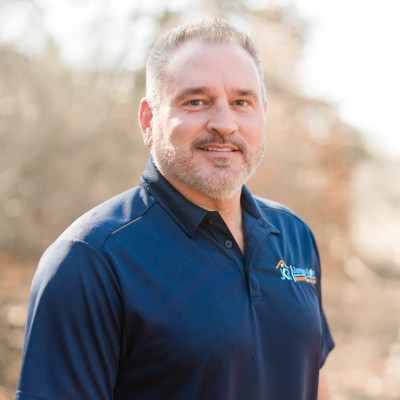
I run Sienna Motors in Pompano Beach, and we deal with high-end exotic and luxury vehicles where every interaction can make or break a $200K+ sale. Last year I had a salesperson who knew cars inside-out but kept trying to "close hard" on customers shopping Lamborghinis and Ferraris—treating them like they needed convincing instead of white-glove service.
I took him for a ride in our 2016 Huracan and asked him what made the experience special. He started talking about the sound, the attention to detail, the feeling of being in something exclusive. I said, "exactly—now imagine if I spent this whole drive pressuring you to buy it." That shift in perspective clicked instantly.
I had him spend two weeks focusing only on vehicle education and building relationships, with zero pressure to close. His conversion rate actually went up 40% because customers felt respected and came back ready to buy. The key was showing him the disconnect between his approach and our brand promise, then giving him permission to slow down and trust the process.

Elevate Curiosity And Pivot With Trust
A teacher on our team had low ratings because she stuck to the lesson plan and brushed past student questions. I gave feedback using one clear moment: a student asked about a phrase they heard at work, and the topic got shut down. I explained the impact—students felt unheard—and asked her to treat questions as the lesson. We practiced a few "pause and pivot" responses. Within weeks, her ratings rose to 4.9/5, and she stayed because she felt trusted, not scolded.

Diagnose Process Friction And Empower Agency
In a managed team, when performance drops, it is more likely a symptom of process friction than technical incompetence. I once had a lead developer whose throughput had dropped to zero on a big scaling initiative. Instead of hammering on the deadlines, I took a look at how their bottleneck was visibly spiking our burn on the project, and our ultimate delayed delivery to the client. We diagnosed it like a bug in the system. Radical transparency plus a technical pivot. It turned out the developer wasn't comfortable with a shift we'd made in the architecture—but he'd never articulated it. Once validated, we made him owner of a small portion of the component that he could refactor to his liking. Getting the feedback right isn't about retribution, it's about adjusting the dial on the instrument of delivery. This developer was then the lead on three more big releases over the following years, as the feedback session demonstrated that we valued his judgment as much as the function of his keystrokes.
Our thinking here is borne out by empirical data—for example, Gallup shows that employees at companies with consistent feedback are 14.9% less likely to voluntarily leave their jobs. The good engineers are driven by impact and clarity, and nothing provides more depth than a feedback conversation conducted as a partnership in overcoming an operational hurdle.

Spark Reflection And Grant Freedom
I had a designer whose work was technically fine but lacked creativity. Instead of just saying "be more creative," I sat down with her portfolio and pointed to three specific projects asking "what would you do differently now?"
She opened up about feeling pressured to play it safe because she thought that's what clients wanted. Gave her one upcoming project with full creative freedom and told her I'd handle any client pushback.
She came back with her best work in months.
The key was making feedback specific and then immediately giving her a chance to act on it with support. People don't improve from vague criticism, they improve when you show trust and create space for them to actually try something different.

Offer Precise Recognition And Timely Rewards
During a stressful season at Infinite Medical Group, I wrote a handwritten note to an employee who had been quietly holding the team together, citing the specific actions where her work ethic and attitude made a difference. I read it aloud in our weekly meeting and paired the recognition with an extra PTO day. The specificity and timeliness made clear which behaviors we valued and wanted to see repeated. The key was making the feedback personal, precise, and delivered in a forum that honored her impact. It reinforced high standards, sustained engagement during a challenging period, and is the kind of practice that supports retention.

Display Empathy And Build Safety
I remember a certain situation when one of the team members constantly missed deadlines, which affected the timelines of the projects. Rather than punishing them on the spot, I made an appointment with them to get to the bottom of it. It also happened that they were overwhelmed with the difficulty in certain tasks and did not want to request assistance.
I have also recognized their effort, reinforced my belief in their abilities and given them steps to act on, such as assigning a mentor to them and dividing them into manageable bits. Empathy and providing a safe environment to have open conversation was the key to good feedback. This was not only a way of improving their performance but also boosting the trust and guaranteeing further improvement in them in the company.

Apply SBI For Specificity
I use the SBI model to give clear, constructive feedback. For example: “In the case of the project deadline last week, when the report wasn't submitted on time, it impacted the team's ability to complete their tasks and delayed the overall project timeline.” The key is staying specific about the behavior and its impact, and aligning on next steps, which makes the feedback actionable and supports stronger performance and retention.

Exhibit Humility And Prioritize Input
Part of being an effective leader in the nonprofit software space is having humility and understanding that you don't know it all. I've made plenty of mistakes as we've gone along, and you have to be able to laugh at those. When a team member points something out, I try not to take it personally, because that's how you build trust and help people feel safe to grow.
A big part of that, for me, is being intentional about listening rather than coming in with preconceived notions. With RallyUp, the product wasn't fully defined at the start. It was developed through listening to customers and staying open to possibilities I hadn't considered.
And honestly, I think retention and engagement improve when people feel like they have a real voice. I hear from team members that it's rewarding to contribute ideas and then actually see the good ones implemented, especially when those ideas help customers and improve how we operate. That kind of ownership creates real job satisfaction.

Frame Outcomes And Coauthor Improvement
In one instance, I dealt with performance issues by structuring my response to the issue as one of outcomes instead of problems and sharing it in an improvement plan that was collectively worked on with the employee. This was the only way to deliver this form of constructive feedback in order to gain the employee's commitment to continue to work in our company.

Implement Real-Time Guidance
This is something we do regularly as a means of providing active feedback and ensuring employees know that we want what's best for them in their role, rather than just waiting for review periods to actually give set feedback.
I'd encourage HR teams to implement a real-time method of providing constructive feedback, rather than waiting for a set period of review.
