
The Philippine real estate market is experiencing significant growth driven by rapid urbanization, an expanding middle class, and increasing foreign investment, creating optimal conditions for brokerage success. However, achieving sustainable growth requires a strategic approach built on five essential pillars: agent retention, agent attraction, coaching and development, operating systems, and branding and marketing. These pillars address unique local challenges, from regulatory requirements under Republic Act No. 9646 to cultural nuances in client relationships.
Agent retention forms the foundation of brokerage sustainability in a competitive landscape where high turnover can cripple operations. Successful brokerages focus on competitive compensation structures, such as tiered commissions typically ranging from 3-5% on sales, combined with supportive cultures that align with Filipino values like bayanihan. Additional strategies include flexible work arrangements, health benefits, and recognition programs to combat agent burnout, with exit interviews and feedback surveys helping identify improvement areas early.
Attracting quality professionals requires positioning the brokerage as a premier destination for licensed agents. Digital platforms like LinkedIn and Facebook groups serve as effective recruitment tools, while incentives such as signing bonuses and mentorship programs enhance appeal. Specializing in niches like residential properties in emerging areas such as Clark Freeport or commercial real estate in Cebu helps establish market dominance, with reputation for ethical practices and high earnings potential driving word-of-mouth recruitment in the Philippine context.
Coaching and development ensure agents remain competitive in an evolving market where clients demand expertise on topics ranging from property taxes to sustainable developments. Structured training programs, including workshops on negotiation tactics tailored to Filipino bargaining culture and courses on digital tools for virtual tours, are essential. Partnering with PRC-accredited providers for continuing professional development credits supports license renewal requirements while enhancing agent capabilities for handling market volatility and other challenges.
Efficient operating systems streamline transactions and ensure compliance in a market where bureaucratic processes can cause delays. Adopting CRM software like PropertyBase or local alternatives helps manage listings, automate paperwork, and generate reports, while standardized processes for client onboarding and commission payouts maintain transparency. Cybersecurity measures protect confidential data, and thorough business planning incorporating market analysis of trends like co-living spaces supports operational efficiency as a competitive advantage.
Branding and marketing differentiate brokerages in a market influenced by social proof and visual appeal. Digital strategies targeting tech-savvy demographics through platforms like Instagram and TikTok complement content marketing such as blogs on topics like investing in Philippine condos. Specialization in areas like eco-friendly properties and collaborations with influencers enhance visibility, with tools like Google Analytics tracking campaign effectiveness while maintaining integrity to avoid penalties under regulatory frameworks.
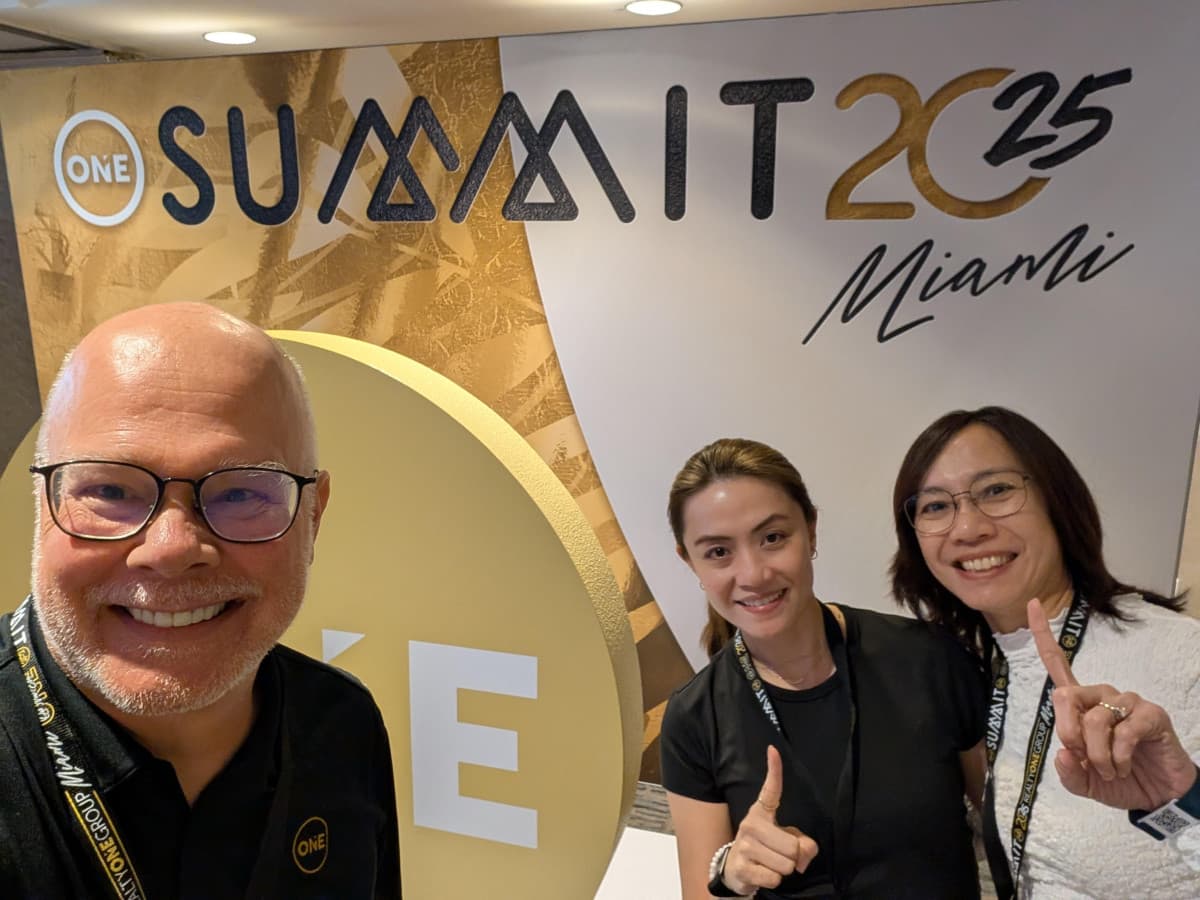
For those aiming to scale beyond 20 agents, franchising with established brands like Realty ONE Group Philippines provides comprehensive support across all five pillars. Their approach includes a dynamic culture for retention and attraction, world-class coaching through ONE University, proprietary technology for operating systems, and vibrant branding resources for marketing, facilitating growth in one of Asia's most dynamic real estate markets.

