
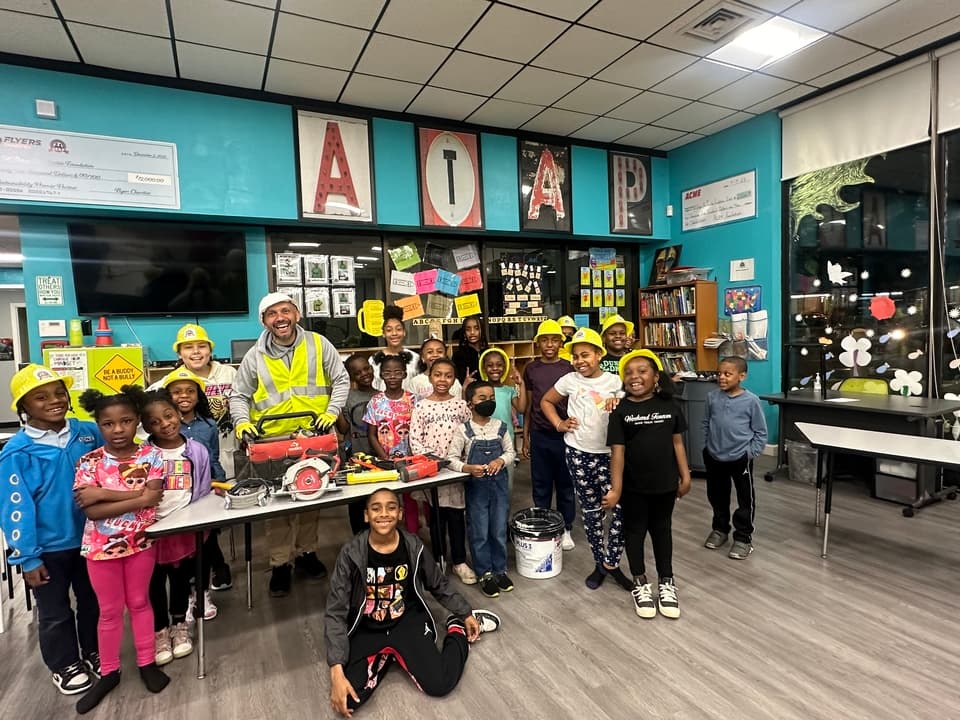
The Club Cool Kids program, founded by then-eight-year-old Chloe Worthy to create a space where children could freely explore their interests, has grown to serve over 3,000 children in Burlington County and stands as a case study in youth-led program design with implications for human resources and talent development professionals. The program's core methodology—structuring activities entirely around the expressed interests and direct input of its young participants—has fostered a strong sense of ownership and built confidence among the children involved. This approach, which has included science experiments, culinary workshops, and cultural celebrations, demonstrates the tangible outcomes of prioritizing participant voice in program development.
For HR vendors and professionals focused on talent management, the success of Club Cool Kids underscores a critical principle: engagement and development initiatives are most effective when they are co-created with their intended participants. The program's foundation, built not on predetermined curricula but on the evolving interests of the children themselves, mirrors emerging best practices in adult workplace learning and employee resource groups, which increasingly emphasize employee-led content and structure. The nonprofit All Things Are Possible Foundation (ATAP), founded by Chloe's parents and detailed at https://www.atapfoundation.org, provided the support structure, but the vision and direction remained youth-centric.
As Chloe Worthy prepares to attend the United States Military Academy Preparatory School at West Point, her transition highlights the long-term leadership outcomes such empowering environments can cultivate. Her journey from conceiving the club as a child to leading it toward potential expansion beyond New Jersey provides a clear narrative for talent development. The model suggests that early experiences of authentic contribution and responsibility are significant predictors of leadership capacity. For the HR industry, which is perennially focused on leadership pipelines and engagement strategies, Club Cool Kids offers a blueprint for designing interventions that build agency from the ground up.
The program's impact, measured in its scale and the personal growth of its founder, indicates a shift in how organizations might conceptualize program design for any age group. The implication for vendors serving the HR space is that products and services facilitating participatory design, real-time feedback integration, and interest-based learning paths may see increased demand. The story validates methodologies that move away from top-down training toward collaborative development. As community programs and corporate talent initiatives seek deeper engagement, the principles demonstrated by Club Cool Kids—listening, co-creation, and fostering ownership—become increasingly relevant for designing effective human development systems.