
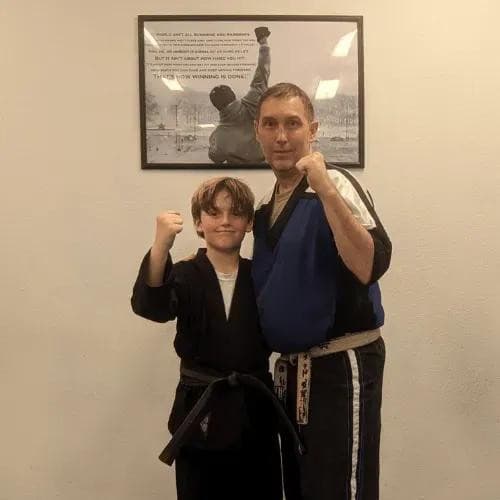
The recent Junior Black Belt achievement by 11-year-old Gavin Love at South Lake Karate Academy underscores the significant character development benefits of structured martial arts programs for children, with potential implications for human resources professionals and vendors serving youth development and corporate training markets. The rigorous four-hour examination required to earn this distinction tested both physical capabilities and mental resilience, highlighting the comprehensive development approach that distinguishes quality martial arts instruction.
Chad Love, Gavin's father and academy owner, emphasized the transferable life skills cultivated through martial arts training. "Those kids that reach the rank of Junior Black Belt have learned many life lessons like perseverance, leadership, and focus," Love noted. These competencies remain valuable into adulthood, supporting success across various life domains including academic, professional, and personal contexts. For HR vendors, this represents evidence of effective methodologies for developing foundational soft skills that translate directly to workplace readiness and performance.
The structured environment of martial arts programs fosters improvements extending beyond physical fitness to include enhanced self-esteem, social skills development, and goal-setting capabilities. The emphasis on teamwork and respect within karate classes creates supportive communities that reinforce positive behavioral patterns. These elements mirror organizational development strategies employed in corporate settings, suggesting potential cross-pollination between youth development programs and workplace training initiatives. Programs like those detailed at https://clermontkarate.com/ demonstrate how consistent training frameworks can produce measurable character development outcomes.
South Lake Karate Academy's integration of character development with physical training exemplifies a holistic approach to youth development. Instructors systematically instill respect, humility, and integrity alongside technical skills, ensuring students develop into well-rounded individuals. This dual focus on capability and character has direct parallels to talent management strategies that balance technical competency with cultural fit and ethical behavior. For HR vendors, understanding these developmental frameworks provides insights into creating effective training programs for both youth and adult populations.
The achievement demonstrates martial arts' capacity to teach time management, confidence development, and positive approaches to challenges—skills increasingly valued in modern workplaces. As organizations seek employees with strong foundational soft skills, evidence-based youth development programs offer models for effective skill-building methodologies. The transferability of these competencies suggests opportunities for HR vendors to develop integrated training solutions that bridge youth development and corporate learning markets, creating continuity in skill development from childhood through professional careers.