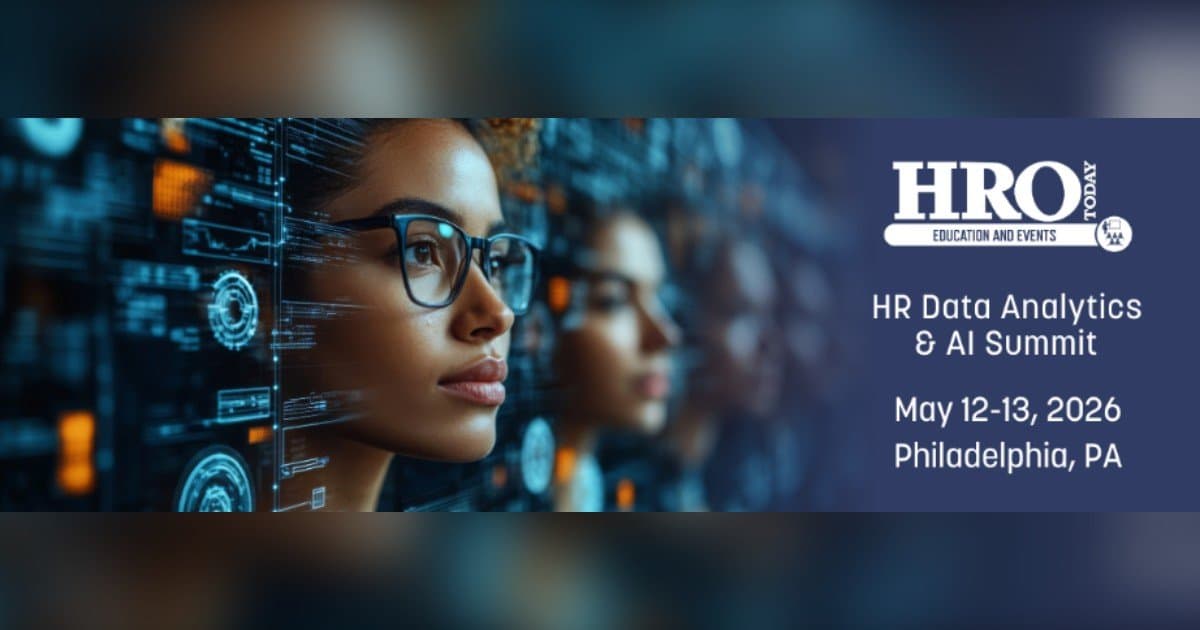
The HR Data Analytics and AI Summit, scheduled for May 12-13, 2026, at Warwick Rittenhouse Square in Philadelphia, will serve as a critical gathering for HR professionals seeking to navigate the evolving landscape of workforce management through technology. The two-day conference is positioned as a gateway for executives to explore the latest developments, insights, and strategies where human resources intersects with data analytics and artificial intelligence. According to Elliot Clark, CEO of HRO Today, the event is essential for those aiming to harness these technologies to transform their HR strategies, providing a platform to learn from real-world applications.
Attendees will engage with a distinguished lineup of speakers, including industry leaders such as Annalisa Abell from MultiCare Health, Sunil Asija from Michigan Government, and Claire Conneely from Fortitude Re. These experts, along with other forward-thinking practitioners, will share actionable strategies and case studies designed to equip participants with the tools needed to stay ahead of industry trends. The sessions focus on how AI-powered innovations can enhance people analytics across various enterprises, enabling professionals to drive transformative change within their organizations.
The summit emphasizes networking opportunities, allowing attendees to connect with like-minded professionals while gaining insights that can be applied collectively. Teams are encouraged to attend together to foster organizational change, and sponsors will have the chance to showcase their brands to influential HR decision-makers. For more details and registration, interested parties can visit the official summit page at https://hrotoday.com/summit. Early bird pricing is available until April 10, 2026, and registrants will receive 12-month access to recorded sessions, extending the learning impact beyond the event dates.
This conference matters because it addresses the growing importance of data-driven decision-making in HR, a field increasingly reliant on analytics to optimize talent management, recruitment, and employee engagement. As organizations face pressures to adapt to technological advancements, the summit provides a focused environment for learning how to implement AI solutions effectively, potentially leading to improved operational efficiency and competitive advantage. By bringing together experts and practitioners, it facilitates the exchange of knowledge that can shape future HR practices, making it a pivotal event for professionals committed to evolving their strategies in an era of rapid digital transformation.
For HR vendors, this summit represents both a market opportunity and a necessity for staying relevant. The emphasis on real-world applications and case studies provides vendors with insights into the specific challenges HR departments are facing as they implement AI and analytics solutions. Understanding these practical implementation hurdles can help vendors develop more targeted products and services that address actual needs rather than theoretical problems.
The networking component of the event offers vendors valuable access to HR decision-makers who are actively seeking technological solutions. As organizations increasingly prioritize data-driven approaches to talent management, vendors who understand the strategic frameworks being discussed at events like this summit will be better positioned to align their offerings with market demands. The recorded session access extending for 12 months indicates a growing expectation for continuous learning in the HR technology space, suggesting vendors should consider how their own educational resources and support systems measure up to this standard.