
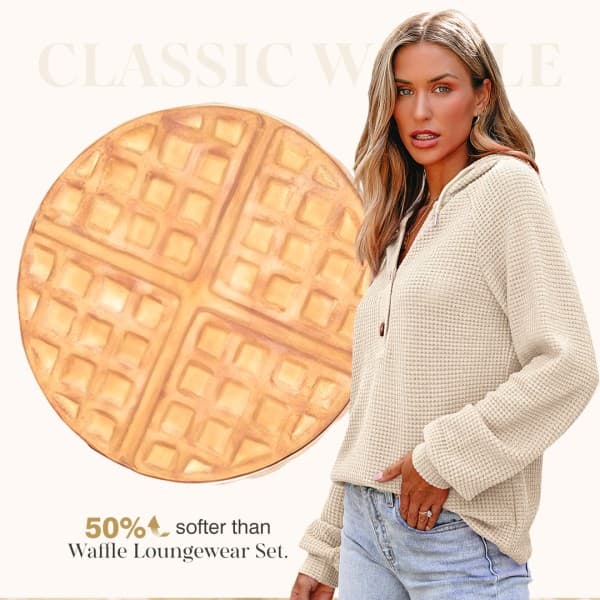
Dokotoo, a prominent women's clothing brand on Amazon, has unveiled its latest innovation: a waffle-style apparel collection featuring distinctively textured, fluffy knit garments that promise enhanced comfort and visual appeal. The collection, now available on Amazon US, includes tops and tunics in multiple colors and sizes, engineered for seasonal adaptability.
The collection emerged from an unexpected source of inspiration, according to Kim, Creative Development Director at Dokotoo. During an informal brainstorming session, the team explored translating the comforting texture of waffles into clothing design, resulting in a fabric that mimics micro-air cushions. The new line's three-dimensional knit geometry creates what the company describes as a "soft chessboard of light and shadow", reflecting emerging trends in sensory fashion where texture significantly influences wearer experience. These garments are designed to be both breathable and enveloping, offering consumers a unique clothing interaction.
Strategically launched on Amazon US, the collection is part of Dokotoo's broader innovation roadmap, which includes future product categories like Slimfi Smocking and the Gold Empire Line. By focusing on material innovation and consumer-centered design, Dokotoo continues to distinguish itself in the competitive online fashion marketplace. The [Waffle-Style Collection](https://www.amazon.com/stores/page/78F89962-2125-4793-A251-AA8B07181B0F) embodies the brand's mission to create garments that feel like a "second skin" while maintaining accessibility and quality.
For HR vendors, this launch underscores the importance of product differentiation through sensory design and material innovation. As consumer expectations evolve, companies that invest in unique textures and comfort-driven features may gain a competitive edge. Dokotoo's focus on texture and breathability aligns with broader trends in apparel where tactile experience is becoming a key purchasing driver. This could signal a shift for HR vendors supplying to fashion retailers, as they may need to adapt their offerings to support brands prioritizing sensory attributes.
Moreover, the strategic timing of the launch on Amazon US highlights the importance of leveraging major e-commerce platforms for product introductions. For HR vendors serving the retail sector, understanding how brands like Dokotoo navigate online marketplaces can inform their own go-to-market strategies. The emphasis on consumer-centered design also suggests that HR vendors should consider end-user experience in their product development, whether in training, recruitment, or technology solutions.
In summary, Dokotoo's waffle-style collection is more than a fashion statement; it's a case study in innovation driven by consumer insights. The implications for HR vendors include recognizing the value of sensory differentiation, the role of e-commerce in product launches, and the need to stay attuned to changing consumer preferences. As Dokotoo expands its innovation roadmap, vendors that can support such product evolution—through flexible supply chains, data analytics, or talent management—may find new opportunities.
