


Navigating Tough Choices: How Leaders Handle Decisions Impacting Employee Retention
Leaders face difficult decisions that directly affect whether employees stay or leave, and the approach they take can make all the difference. This article gathers insights from industry experts who have successfully managed these challenging situations while maintaining trust and stability. Learn practical strategies that have helped organizations handle tough calls about restructuring, reductions, and resource allocation without losing their best people.
- Offer New Skills or Phased Exits
- Give Notice, Place Employees, Uphold Dignity
- Choose People over Products, Narrow Focus
- Protect Mission and Propose Creative Schedules
- Provide Context, Care, and Concrete Help
- Cut Leader Pay, Freeze Hires, Preserve Jobs
- Maintain Standards and Build Institutional Knowledge
- Share P&L and Present Real Choice
- Map Needs, Redesign Roles, Guarantee Stability
- Show Books, Let Staff Guide Hard Decision
- Stay Lean, Reveal Numbers, Grow Internally
- Elevate Faculty Impact with Proof
- Promote Early to Safeguard Culture
- Own Mistakes and Communicate Every Change
- Rework Workflow and Advance from Within
- Tie Feedback to Performance with Clarity
- Speak Plainly through Tough Cuts
- Hold Honest One-on-Ones before Mergers
- Call Stakeholders First and Train Thoroughly
Offer New Skills or Phased Exits
About eight years ago, we had to restructure our service department when Mercedes-Benz shifted heavily toward electric vehicle preparation and new diagnostic technology. We had veteran techs who'd built their careers on combustion engines, and the writing was on the wall that their roles would fundamentally change.
I brought the entire service team together and showed them Mercedes' five-year EV roadmap—no sugarcoating. Then I offered every tech full training certification on our dime, with paid time during the transition. Three older techs weren't interested in retraining, so I worked with them on phased retirement plans where they mentored younger techs for 18 months while collecting full benefits, then moved to part-time consulting roles.
The guys who stayed through training became our highest-paid technicians because EV work commands premium rates. One tech who almost left now runs our entire EV service operation and trains other dealerships in our region. The transparency turned what could've been a mass exodus into a competitive advantage—we retained 90% of our team while other dealers were scrambling to find qualified EV techs.
When my grandfather ran this business, he never laid off a mechanic during slow months—he had them detail cars and organize the shop. That philosophy stuck with me: find a path forward that respects people's contributions, even when the business reality is hard.

Give Notice, Place Employees, Uphold Dignity
I've been running gyms in Florida for 40+ years, and about 8 years ago we had to consolidate two underperforming locations into one larger facility. That meant reducing our front desk and maintenance staff by nearly 40%--hardest thing I've ever done in this business.
What I learned is that you can't hide behind HR scripts. I met with every affected employee individually before any announcements, explained our exact membership numbers and why we were bleeding money at those locations, and gave them 90 days notice instead of the standard 30. More importantly, I personally called every gym owner I knew through REX Roundtables and got placement for 6 of the 9 people we had to let go.
The real difference-maker was keeping the affected staff on our member feedback system (Medallia) during their notice period. I wanted their voices heard right up until their last day because they knew our members better than anyone. Two of them actually helped us redesign our childcare scheduling system that we still use today--gave them ownership instead of just a countdown to unemployment.
Three years later, one of those former employees came back as our head trainer when we expanded again. She told other applicants during that hiring cycle that we "did it right" when times were tough. In the fitness industry where everyone knows everyone, that reputation is worth more than any severance package.

Choose People over Products, Narrow Focus
We've never had to do layoffs, but we made a brutal call in 2022 that tested everything. The Brisbane floods hit us hard—our workshop was destroyed, and we had to consolidate two physical locations into one while our revenue dropped off a cliff. I had to choose between keeping our full product range or keeping our full team.
I chose the team. We cut entire product lines that weren't serving our core mission—the adaptive and inclusive bikes—even though some were profitable. I sat everyone down, showed them the flood damage photos and the bank statements, and said we're doubling down on what makes us different: custom builds for people the industry ignores. If we tried to be everything to everyone, we'd lose the expertise that lets us build bikes like the Lightning for riders with dwarfism.
The kicker was asking our technical manager Richard (also my co-founder) to take on more hands-on assembly work temporarily while we rebuilt. He's the engineer who designs our unique models, but for six months he was in the workshop every day doing the grunt work. When your leadership is literally getting their hands dirty, the team sees you're not asking them to carry a burden you won't.
We came out stronger. Lost zero staff through that period, and the focus on adaptive bikes is why we're now shipping internationally and partnering with disability providers across three states. Sometimes the hard decision isn't who to cut—it's what to cut so you can keep the people who make you worth saving.

Protect Mission and Propose Creative Schedules
About twelve years into running Rudy's, we had to restructure our kitchen schedule when food costs spiked and our Tuesday charity program was putting serious strain on cash flow. I had three prep cooks who'd been with me for years, but we could only afford to keep two on the current schedule.
I sat down with all three individually first--showed them our food cost reports and explained that our Tuesday giving wasn't negotiable because that's core to why we exist. Then I offered the solution before making it a mandate: two would stay full-time, and one could move to weekend-only shifts when we're slammed, which actually paid slightly better per hour.
The guy who took weekends ended up preferring it because he could work his brother's construction crew during the week. When we expanded catering two years later and needed a full-time logistics coordinator, he was my first call and he's still running that whole operation. The other two saw that I protected our mission while finding a path that didn't just dump someone, and they've referred probably a dozen quality hires to us since then because they knew we'd treat people right.

Provide Context, Care, and Concrete Help
Several years ago we faced a sudden contraction in our market that forced us to reevaluate our cost structure. After exhausting options like salary freezes and spending cuts, we realised we couldn't sustain our payroll at its current level and still weather the downturn. We ultimately had to restructure our operations and let go of a small team in a non-core line of business. It was one of the hardest decisions I've made because these were good people who had contributed to our growth.
Transparency and empathy were central to how we handled it. We briefed the affected employees individually as soon as the decision was finalised, explaining the business context and that the reduction was not performance related. We offered a generous severance package, extended health benefits, and paid out unused vacation. Our HR team also provided resume coaching, reference letters and introductions to companies in our network. For the remaining staff we held an all-hands meeting the same day to address what had happened, outline our plan for recovery and answer questions. We acknowledged the emotional impact and encouraged people to share their concerns privately with managers or our employee assistance counsellor. In the months that followed we provided cross-training opportunities so employees could grow into new roles and avoided piling extra work on those affected teams. By being clear about the "why," offering meaningful support and following through on commitments, we were able to maintain trust and retention among the remaining team even during a difficult period.

Cut Leader Pay, Freeze Hires, Preserve Jobs
We faced exactly this during the 2018–2019 tariff surges on imported gloves. Raw material costs jumped 40% practically overnight, and we had to choose between raising prices dramatically or cutting headcount to absorb the hit. I chose a third option that nobody liked at first—I cut executive compensation by 30%, including my own, and implemented a hiring freeze instead of layoffs.
I sat down with every department and showed them the actual numbers. Our glove imports were getting hammered, and I explained that if we fired people, we'd lose institutional knowledge right when we needed it most to pivot our sourcing strategy. The team that helped us become the first U.S. importer of polychloroprene gloves in 2010 was the same team I needed to develop our tariff-resistant pricing models.
It worked because I made the sacrifice visible and real. When employees saw leadership taking the biggest pay cut, they trusted the freeze was temporary, not a precursor to layoffs. We kept 100% retention through that period, and those same team members helped us launch EZDoff® and Aloe Shield™ in the years after. The glove line that reduced contamination risk by 73% exists because we didn't panic and gut the team when times got hard.
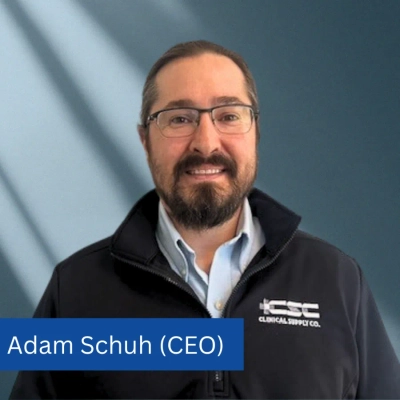
Maintain Standards and Build Institutional Knowledge
I've run a personal injury firm for 40 years, and the toughest decision I made wasn't about layoffs—it was about saying no to cases. In 2008, when the economy tanked and referrals dropped 35%, I had to choose between taking every marginal case that walked through the door or maintaining our standards and potentially cutting staff hours.
I gathered the team and told them we'd only take cases we could win decisively. That meant turning away probably 60% more cases than usual. Instead of laying anyone off, I had our paralegals and associates spend that freed-up time systematically documenting our 40,000+ case histories to build better internal training materials. We turned idle capacity into institutional knowledge.
The bet paid off because our win rate stayed above 90% even during the worst years. Clients referred more clients when they saw we were selective, not desperate. By 2010, we were handling the same volume with better outcomes, and nobody had lost a paycheck. When you're transparent about why you're making hard choices and give people meaningful work during slow periods, trust doesn't just survive—it grows.
Share P&L and Present Real Choice
I haven't had to do layoffs at VP Fitness, but I did face a restructuring decision that tested every relationship I'd built. When we expanded from a single location to franchising in 2023, I had to shift three long-time trainers from guaranteed hourly roles to a hybrid commission model to make the franchise economics work.
These weren't just employees—one had been with me since 2011, when I was still a master trainer building this from nothing. I sat down with each person individually, showed them the actual P&L projections, and explained that staying small meant we'd all cap out, or taking this risk meant growth potential but less short-term security. I didn't sugarcoat that their take-home might dip for 6–8 months.
Two of them stayed and are now earning more than before because our member base grew 40% in year one. The third decided it wasn't for him, and I personally called two gym owners I knew to help him land somewhere stable. He still refers clients to us because I didn't ghost him or make excuses.
The lesson I learned: your team can handle hard truths way better than they can handle feeling blindsided or lied to. Show them the numbers, give them agency in the decision, and if they leave, leave the door open. That's how you keep trust even when the path forward isn't easy for everyone.
Map Needs, Redesign Roles, Guarantee Stability
About five years into running So Clean of Woburn, we lost a major commercial contract that accounted for 30% of our revenue when the building got sold. I had to cut hours across the board, which hit our longest-tenured cleaners hardest since they were full-time.
Instead of just slashing schedules, I met with each team member and mapped out their actual financial needs versus preferences. Two of our full-timers actually wanted more flexibility for family stuff, so we restructured them to part-time with first dibs on any extra shifts. The third person needed full-time income, so I guaranteed her 40 hours by having her train new hires on our standards—something we'd been doing haphazardly anyway.
That training role became permanent when we landed three apartment building contracts six months later. She's now our quality control supervisor and the reason our online reviews consistently mention thoroughness. The other two still work preferred part-time schedules and jump on deep cleaning projects when they want extra money, which solved our scalability problem for one-time jobs.

Show Books, Let Staff Guide Hard Decision
I've run Scrubs of Evans for over 16 years, and the toughest decision came during a severe cash flow crunch in 2012. We had three part-time employees, and the numbers showed we could only afford to keep one while my wife and I picked up the rest of the hours ourselves.
I brought everyone in together during our regular shift change and showed them our actual bank statements and sales reports from the previous three months. No sugarcoating--I explained we had enough runway for maybe six weeks at current staffing, and I needed to make cuts immediately or risk closing entirely. The team actually helped me decide who should stay based on who needed the income most and who had other options lined up.
The two employees we had to let go both referred customers to us for months afterward because we paid them through the end of the month even though we made the decision mid-month. One even came back to work with us two years later when we could afford to expand again. Being faith-driven means you treat people right even when it costs you, and that reputation has made hiring easier every time since.

Stay Lean, Reveal Numbers, Grow Internally
Great question. I faced this in 2021 when Jose and I were launching CMH-RI—we had to decide whether to bring on a third PA immediately or keep the team lean through our first year. Cash flow projections showed we could afford it, but one slow quarter would've meant cutting someone loose six months in.
So we stayed at two providers but brought Michael Vento on as an EMT who could cross-train into andrology—lower initial cost, clear growth path, no bait-and-switch.
That decision meant Jose and I worked longer clinic hours for eight months, but Mike saw we were grinding alongside him rather than over-promising and under-delivering. When our patient volume hit the threshold last year, promoting him internally cost us zero trust and actually got us referrals because patients watched us build something sustainable. The key was showing the team our numbers and explaining why we were moving cautiously—guys respect transparency when you're asking them to bet on your vision.

Elevate Faculty Impact with Proof
I haven't faced traditional layoffs, but I've steered something equally delicate--helping university partners transition faculty roles when moving to hybrid models. Faculty feared being replaced by technology or losing their academic autonomy entirely.
We made faculty empowerment the explicit goal, not cost-cutting. Instead of "your lectures will be pre-recorded to save money," we positioned it as "we handle foundational content delivery so you reclaim 40% of class time for mentorship and deeper engagement." One program director told us their faculty coaching model helped retention because professors felt supported, not sidelined.
The key was transparent documentation. We showed exactly how the model lifted their role--more time for case discussions, personalized feedback, and intellectual exploration. When 58% of our 2024 enrollments came from student and alumni referrals, that proved faculty were advocating for the model because it genuinely improved their teaching experience.
Difficult transitions work when the people affected see real evidence that the change makes their work better, not just cheaper. Show them the upside early with data, not promises.

Promote Early to Safeguard Culture
I haven't had to do layoffs yet, but I've faced the opposite challenge that tests retention just as hard—rapid scaling in a stigmatized industry where losing trained staff means losing patient trust. When we expanded from Colleyville to Frisco, I had to decide whether to hire fast and risk culture dilution or grow slower and risk burnout from overworked teams.
I chose a middle path that nobody expected. We promoted three front-desk staff to patient care coordinators before they were "ready" by traditional standards, giving them direct mentorship and higher pay immediately. The risk was real—these treatments require deep knowledge of hormone panels, ED protocols, and sensitive patient conversations. But they already understood our 97.2% efficacy standards and why confidentiality matters more in sexual wellness than almost any other field.
It paid off because those promoted employees became our best retention tool. They trained new hires with real ownership, and we didn't lose a single core team member during the expansion. When you're dealing with patients discussing erectile dysfunction or vaginal rejuvenation, continuity matters—one unfamiliar face can break trust that took months to build.
The lesson I learned is that in healthcare, especially sexual wellness, your team IS your product. I'd rather overpromote and overinvest than risk the revolving door that destroys patient outcomes.
Own Mistakes and Communicate Every Change
When we restructured compensation in 2019, I underestimated how fast fear spreads when clarity is missing. We lost 60% of the team within five months and morale cratered. I had delegated the rollout to a director and given people two weeks to decide whether to stay. That shortcut cost me trust I had spent years building.
The fix wasn't a pay reversal but transparency. I started addressing every major change myself and opened weekly Q&As for the entire company. Once people saw we were facing the same numbers—and we were not hiding behind them—retention stabilized. The hard truth is that trust doesn't survive spin. It survives ownership.

Rework Workflow and Advance from Within
About six years ago, we had to reorganize our warehouse operations when two of our key logistics people gave notice within the same month. Rather than panic-hire replacements, I sat down with our remaining warehouse manager Jesse and asked what wasn't working in the current setup.
Turns out our picking process was creating bottleneck stress that nobody had mentioned in reviews. We redesigned the workflow so one person could handle what previously took two, then brought in someone part-time specifically for receiving and inventory audits. Jesse's workload actually decreased even though we were down a body, and our order accuracy went from about 94% to 98.5% within three months.
The part-timer ended up becoming our full-time Warehouse Manager because he systematized our material test report filing--something that had been eating up sales team hours. When you lose people, it's usually exposing a process problem you were too busy to notice. We're still using that same leaner structure today, and our team says they're less stressed than when we were "fully staffed."

Tie Feedback to Performance with Clarity
We made the decision to let customer feedback play a direct role in performance evaluation. We implemented a system that tracks customer satisfaction tied to individual employees, giving us real-time insight into how customers experience our service.
Over time, clear patterns emerged. Some team members consistently delivered great experiences, while others struggled. Instead of reacting to isolated complaints, we reviewed performance quarterly and met with underperforming employees to understand context, coach improvement, or identify gaps we might be missing.
When separations did happen, they were based on repeated trends, not single moments. Expectations were clearly communicated, and everyone had an opportunity to improve. This approach helped maintain trust because decisions were transparent and consistent.
At the end of the day, our brand is on the line every time we show up for a customer. We owe it to them to field the best team possible. Holding that standard has improved customer satisfaction, strengthened our culture, and ensured that the people who stay truly want to deliver great experiences.

Speak Plainly through Tough Cuts
Cutting our remote support team at ShipTheDeal was brutal. I took a lesson from CBDNerds: don't stay quiet. I called each person, then we had an immediate team meeting and explained everything. We just put it all on the table. People can handle the news, but they hate being left in the dark. Direct communication was the only thing that worked.

Hold Honest One-on-Ones before Mergers
Mission Prep Healthcare had to cut the budget, so I merged my two teams. I spent a week on one-on-ones, laying it all out and answering every single question. Some people took the severance and left. The ones who stayed knew where I'd messed up and where I hadn't. Not pretending things were great was the only thing that kept the core of the team intact.

Call Stakeholders First and Train Thoroughly
At Hire Fitness we had to move all our franchisees to one central billing system, which meant changing how people handled their daily work. Instead of just sending an email, we called each owner first to hear what they were worried about. We ran hands-on training for the new software. It wasn't perfect, but we didn't lose anyone and the calls weren't angry. If you're making a big change, talk to your people before you decide anything.