

New to Employee Recognition? Advice from Experienced Managers
Employee recognition can feel overwhelming when starting from scratch, but it doesn't have to be complicated. This article compiles practical advice from experienced managers who have built effective recognition systems in their teams. Their insights cover everything from celebrating small wins to making merit visible through clear metrics.
- Anchor Appreciation To Non-Negotiable Standards
- Spotlight Preparation And Quiet Follow-Through
- Give Specific, Timely, Behavior-Focused Praise
- Use Guest Feedback To Validate Expertise
- Highlight Impact And Sound Judgment
- Honor Craft With Investment In Well-Being
- Prioritize Care, Growth, And Psychological Safety
- Make Merit Visible With Clear Metrics
- Celebrate Small Wins And Milestones
- Favor Fast, Direct Kudos Over Points
- Turn Good Ideas Into Real Ownership
- Connect Contributions To Mission-Driven Outcomes
- Elevate Cross-Team Results And Collaboration
- Share Weekly Teamwide Shout-Outs That Uplift
- Keep A Simple Real-Time Notes Log
- Show Trust With Hands-On Leadership Moments
- Match Credit To Personal Preferences
Anchor Appreciation To Non-Negotiable Standards
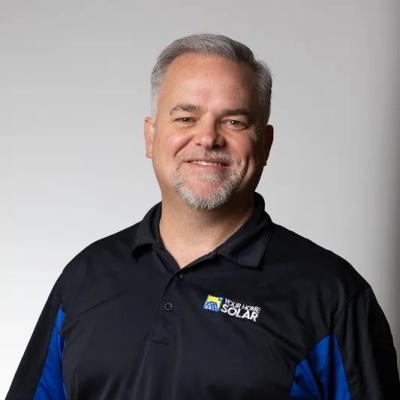
I've built teams across the Navy, teaching, sales, and now running Your Home Solar—and here's what I learned the hard way: recognition needs to tie directly to your company's standards, not just effort. When I was training crews on solar installations, I stopped praising "working hard" and started recognizing "first-time inspection passes." That shift changed everything because my team knew exactly what mattered.
The most important thing to focus on is recognizing behaviors that protect your standards when nobody's watching. I had an installer named Cody who once spent 90 extra minutes re-routing conduit because the original path would've looked sloppy from the street—even though it met code. I made sure the whole crew heard why that mattered during our next safety meeting. Now our installs look like they belong in a magazine, and our inspection pass rate stayed above 95%.
New managers think recognition is about making people feel good. It's actually about showing your team which behaviors you'll defend when things get hard. In my Navy days, QA inspectors got recognized for catching problems before they became disasters—not for being pleasant. That same principle applies whether you're working on nuclear missiles or residential rooftops.
Spotlight Preparation And Quiet Follow-Through
I lead Sexual Wellness Centers of America in Texas, where we deal with deeply personal health issues—ED, hormone imbalances, vaginal wellness. Recognition in our space has to balance clinical precision with genuine human empathy, because one missed detail in a treatment protocol or one cold interaction can destroy a patient's trust forever.
The single most important thing: recognize the preparation work, not just the outcome. When a team member takes extra time reviewing a patient's hormone panel before their consultation, or calls to check on someone three days post-HEshot® procedure without being asked—that's what I spotlight immediately. Those invisible moments determine whether we hit our 97.2% ED reversal rate or fall short.
I learned this the hard way early on. We were celebrating appointment volume and revenue milestones, but our patient retention was slipping. Turns out we were accidentally training staff to book fast and move on, when the real value was in the follow-through. The moment I started recognizing chart prep, post-treatment calls, and thoughtful answers to embarrassing questions, our membership renewals jumped 34% in six months.
Recognition needs to protect what's hardest to measure. In sexual wellness, that's dignity and discretion—nobody will tell you when those slip until they're already gone.

Give Specific, Timely, Behavior-Focused Praise
As CEO of Software House, my advice to any new manager on employee recognition is simple: be specific and timely, not generic and scheduled.
The most important thing to focus on is recognizing the behavior, not just the outcome. When I first started managing people, I'd say things like "great job on the project." It felt good to say but meant almost nothing to the recipient. Now I say something like "the way you restructured the database query reduced our load time by 40%, and the client noticed immediately. That kind of initiative is exactly what makes our team stand out."
The difference is night and day. Specific recognition tells the employee exactly what to repeat. Generic praise just creates a momentary good feeling that fades by lunchtime.
I also learned this the hard way: don't wait for formal review cycles. At Software House, we had a developer who quietly fixed a critical security vulnerability on a Saturday. I didn't mention it until the next monthly team meeting, two weeks later. By then, the moment had passed, and my recognition felt like an afterthought. Now our rule is: if someone does something worth recognizing, acknowledge it within 24 hours.
The most important thing for new managers: recognition doesn't have to be expensive or elaborate. A specific Slack message in a public channel explaining what someone did and why it mattered outperforms any gift card program I've ever seen.

Use Guest Feedback To Validate Expertise
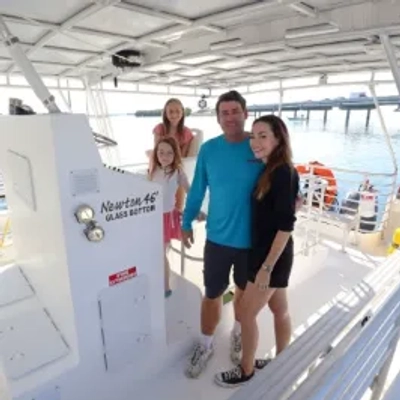
In my role at Glass Bottom Boats of Islamorada, I have learned that the most effective recognition connects an employee's specialized knowledge to the direct emotional impact they have on a guest. When our guide, Greg, is singled out in reviews for explaining the "slimy" appearance of a green moray eel or spotting a baby reef shark, we share that specific feedback to validate his expertise as an educator.
My advice is to implement a "Guest-to-Guide" feedback loop where you prioritize external validation from platforms like Google or KAYAK as the primary source of praise. At our company, seeing a 10/10 rating for a family adventure on the Transparensea reminds the crew that their navigation and storytelling are what truly make our brand-new 2023 vessel successful.
Focus on recognizing the "magic" your team creates, such as successfully managing the atmosphere during our unique night eco-tours using our innovative underwater lighting system. This reinforces their identity as specialists who provide experiences guests can't find anywhere else in Florida, making the work feel like a mission rather than just a shift.
Highlight Impact And Sound Judgment
The biggest recognition mistake is praising "being busy" instead of recognising outcomes people can repeat, especially in hybrid teams and AI heavy workflows.
Make your recognition specific to impact and decision making: "You used AI to draft the first pass, then you caught the compliance risk and rewrote it. That judgement saved us from rework." Call out things that don't show up in dashboards, like preventing issues, improving quality, documenting a process, mentoring, or making a handover clean.
Also, don't let recognition get outsourced to tools. Slack emojis and automated kudos are fine, but they don't replace a manager naming what mattered and why. Your main focus should be trust: consistent, evidence based recognition that feels fair across remote and in office staff. That's what keeps good people when everyone's getting pinged by recruiters.
Honor Craft With Investment In Well-Being
I've spent over a decade leading landscaping and snow management crews through New England's toughest winters, where reliability is the only currency that matters. My advice is to recognize your team by obsessing over their safety and the quality of their gear before the job even starts.
When my crew performed a "face-lift" on 8-foot hedges in Belmont, I recognized their expertise by providing high-end ladders and utility belts so they never had to balance on the top rungs. Investing in premium tools like Stihl trimmers or commercial-grade trucks proves you value their craft and physical well-being more than the bottom line.
Acknowledge their commitment to site safety by treating every "Call 811" digging check or proper de-icing run as a significant achievement. This focus on equipping them for success creates a culture of pride where the "meticulous cleanup" becomes the team's signature.
Prioritize Care, Growth, And Psychological Safety
If I had to give one piece of advice to a manager who is new to employee recognition, it would be this:
Recognition is about human connection not performance management.
It's not just about saying "great job" in a team meeting or sending a Slack shoutout. Those things are nice, but meaningful recognition starts much deeper. The most important thing to focus on is genuinely caring.
Take the time to:
- Get to know your employee's goals and career aspirations
- Understand their strengths and development areas
- Learn what excites them and where they want to grow
Recognition isn't only verbal praise. It's:
- Giving stretch assignments that help them expand
- Creating opportunities for them to shine in front of leadership and their team
- Advocating for them when promotion or growth conversations happen
- Asking, "How can I best support you right now?"
It's all about psychological safety. When employees know you:
- Keep confidences
- Treat everyone fairly
- Hold the whole team accountable (not just overburdening your top performers)
- Protect them from burnout and advocate to take time off
That's when recognition feels real. True recognition says:
"I see your contribution. I care about your growth. And I'm committed to creating an environment where you can thrive long-term."

Make Merit Visible With Clear Metrics
Base recognition on data, not feelings. The fastest way to destroy team morale is to reward the manager's favorites while everyone else watches. People notice it immediately, and it kills motivation across the board.
Meritocracy is the key to building a team that actually stays motivated. But meritocracy only works when people can see the rules. So before you start recognizing anyone, create clear rules of the game and show your team exactly how to win. What does great performance look like? How is it measured? Make that visible.
Once the rules are clear, use real data to back up every recognition decision. When someone gets recognized, and the whole team can see why, it does not create jealousy. It creates a standard that everyone wants to reach. That is the difference between recognition that motivates and recognition that divides.
Celebrate Small Wins And Milestones
Employee recognition should be done on both a macro and micro level. It is not exclusive to a company gathering, performance evaluation process, or team meeting. For example, employee recognition can be as simple as saying how much you appreciate someone when they complete a task that was assigned to them last minute. It could be Cc'ing a C-Suite Executive on a communication highlighting the work an employee is doing, making the employee feel valued and seen. Of course, having formal employee recognition programs is important as well. Performance evaluations can potentially impact an employee's compensation, so recognizing the work that they are doing during this formal process, can be a key component in aligning effort with monetary gain. Celebrating milestones or key achievements during company gatherings or team meetings can be another way to let the employee know that their work is being appreciated on a grander scale, which in turn can continue to further motivate them. In short, celebrating both small wins and big wins, in a variety of ways, is vital to having a successful employee recognition strategy.
Favor Fast, Direct Kudos Over Points
I manage a remote SaaS team and the points system was a total bust. People wanted real praise for what they actually did, not points. So we started giving direct, timely shoutouts for specific wins in our team chat. Honestly, those quick, honest messages do more for morale than any system. We feel more like a real team now.

Turn Good Ideas Into Real Ownership
One of the biggest frustrations people have at work is feeling like they have no voice. They see ways things can be improved, they have good ideas, and those ideas go nowhere. For a new manager learning to recognize their team, the most important thing to understand is that recognition without action is just noise.
New managers often default to praise because it feels safe and immediate. But praise without follow-through starts to ring hollow. People are smart. They notice when "great idea" never turns into "let's do it." The recognition that actually lands is when someone sees their contribution shape how things work.
So my advice is this: make recognition mean something by tying it to real impact. When someone brings a good idea, don't just thank them. Give them the space to run with it. Let them see it through and own the outcome. That's the kind of recognition that builds trust and keeps people engaged.
The managers who struggle are the ones who hand out compliments but never let anyone influence decisions. The ones who keep great people are the ones who make recognition tangible. Words matter, but proof matters more. Show your team their contributions actually move things forward.

Connect Contributions To Mission-Driven Outcomes
As owner-operator of EveryBody eBikes, a social enterprise that's helped thousands rediscover riding despite age or disability, I've built a tight-knit team by prioritizing recognition that honors individual impacts on our mission of inclusion.
After surviving the 2022 floods, I recognized our technical manager Richard's engineering tweaks to the Lightning eBike—designed for dwarfism riders and now shipping globally—which boosted his drive and led to our bestselling Trident trike.
The most important focus: Tie recognition to how their work creates real freedom for overlooked riders, like noting a mechanic's custom trike fit that got a wobbly senior back on trails with her partner.
This builds loyalty in our 70% female team of carers and specialists, fueling expansion into new states without losing our kind, patient culture.
Elevate Cross-Team Results And Collaboration
Here's what actually worked. We set up innovation tracks so our marketing and operations teams could celebrate each other's wins. It got people talking across departments instead of staying in their own bubbles. My advice is to celebrate teamwork just as much as individual success. That's what drives better results for everyone.
Share Weekly Teamwide Shout-Outs That Uplift
At WMD Alltagshelden, we started giving quick weekly shout-outs in our newsletter for everyone, not just the usual high performers. Honestly, it felt a bit strange at first, but now it's just a habit. I've noticed a shift with our 400+ employees, more of a willingness to pitch in on things. It has just made the whole atmosphere better.

Keep A Simple Real-Time Notes Log
If you're new to employee recognition, build a simple system that forces you to notice effort before it becomes invisible. The best managers don't rely on "good instincts" or mood. They keep a tiny running note of wins and helpful behaviours (one line per person), then they use it to recognise people in real time. That stops the common trap where only loud, visible work gets praised while the quiet operators, the steady performers, and the people who prevent problems get ignored.
What matters most is making recognition useful. Useful means it's timely, tied to impact, and linked to a behaviour you want repeated. Instead of praising someone's "attitude" or "hard work", call out what they did, why it mattered, and what you'd like to see more of. "You flagged the risk early, proposed two options, and saved us a rework cycle. Keep bringing that kind of clarity to planning." That kind of recognition trains the team. It also makes performance conversations easier later because you've already been clear about what good looks like.
Two extra things people overlook: match the channel to the person (some love public praise, some hate it), and don't let recognition become a substitute for fixing broken workloads. If someone is constantly "going above and beyond," the praise is nice, but the real leadership move is addressing the root cause so they don't burn out.

Show Trust With Hands-On Leadership Moments
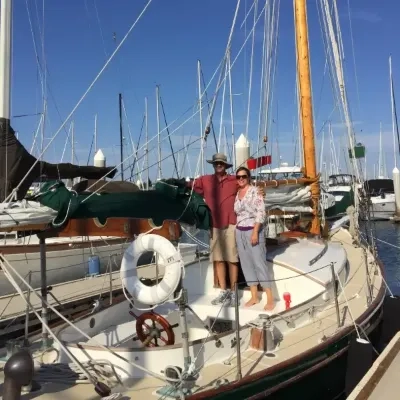
As founder of San Diego Sailing Adventures, I've led a small crew since 2015, restoring our 1904 sloop Liberty over 1.5 years to deliver personalized guest voyages.
One piece of advice: Recognize by entrusting hands-on leadership, like handing over the helm during calm sails.
For instance, when a crew member nails guest education—like explaining port/starboard to first-timers—I let them call maneuvers, turning praise into skill-building that maxes our 6-guest intimacy.
Most important to focus on: Linking recognition to heritage preservation, such as spotlighting their role in quiet wind-powered trips versus noisy modern tours, fostering passion over transactions.
Match Credit To Personal Preferences
Focus on understanding what motivates each individual on your team. Not everyone responds the same way to praise—some appreciate public acknowledgment, while others value a private note or a simple conversation. Taking the time to observe and learn these preferences makes recognition feel personal and sincere rather than generic or obligatory.
