


Onboarding New Hires: Strategies for Creating a Comfortable Question-Asking Environment
Starting a new job can feel overwhelming, especially when employees hesitate to ask questions that could help them succeed. This article presents fifteen practical strategies for building an onboarding environment where new hires feel comfortable seeking guidance and clarity. Drawing on insights from workplace experts and HR professionals, these approaches help organizations transform uncertainty into confidence from day one.
- Appoint a No-Judgment Buddy for Curiosity
- Assign a Peer Anchor for Safety
- Launch a Real-Time Help Channel
- Create a Shared Log for Unknowns
- Pair with a Daily Support Ally
- Finish Paperwork Early to Prioritize Clarity
- Designate a Neutral Guide and Model Inquiry
- Name Common Confusions Before They Appear
- Offer a Go-To Pal for Openness
- Match Remotely with a Dedicated Navigator
- Host Short Judgment-Free Office Hours
- Provide One Trusted Point of Contact
- End-of-Day Wrap-Ups Normalize Uncertainty
- Assemble a Cross-Functional Care Circle
- Lead with Frequent Outreach and Invitation
Appoint a No-Judgment Buddy for Curiosity
A simple tactic that works again and again is assigning every new hire a "no stupid questions" buddy who is not their manager. On day one, I say explicitly that the buddy's job is to answer every small, awkward, or "I should probably already know this" question, and I say it in front of the whole team so the expectation is public. The buddy then schedules short, recurring check-ins in the first month that are framed around "what feels confusing this week" rather than performance. What this does is remove the fear tax of asking for help from your boss and turns curiosity into a social norm instead of a risk.

Assign a Peer Anchor for Safety
I really think it should be said clearly that new hires do not stay quiet because they lack questions. They stay quiet because they do not feel psychologically safe asking them.
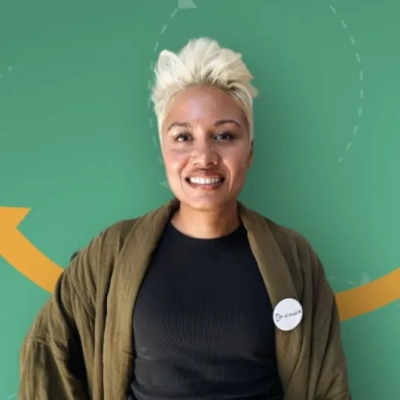
One strategy I have used is normalizing questions before day one by explicitly designing for them. A specific tactic that works extremely well is assigning a dedicated onboarding buddy whose only job is to be the safe first stop for questions, no matter how small. Not a manager and not HR, but a peer who recently went through the same learning curve. I once watched a new hire struggle silently for a week until this was put in place. The moment she had a buddy, questions flowed and her confidence spiked almost overnight.
Why this works is simple. Asking questions feels risky when power dynamics are unclear. A peer removes that friction and signals that curiosity is expected, not punished.
One practical implementation tip is to schedule recurring check-ins where the first question is always the same: What confused you this week? Over time, that repetition builds trust.
This philosophy shows up quietly in how systems like DianaHR approach onboarding. Structure creates safety, and safety accelerates learning.
Launch a Real-Time Help Channel
The first week at any company decides how safe it feels to speak up. We built our onboarding around that idea. Not process, but permission.
New hires join a dedicated Discord space where mentors and teammates stay active throughout the day. They can ask questions in real time while they work, get help without waiting, and see others doing the same. It turns hesitation into habit.
Because we're a fully remote team, Discord acts as our hallway. You don't bump into people by accident, so you have to design that openness on purpose. Over time, those daily check-ins have become part of how trust builds here. Onboarding never really ends. It just turns into community.

Create a Shared Log for Unknowns
The most effective strategy is normalizing questions before day one. During onboarding, I explicitly tell new hires that asking questions is part of the job, not a sign of weakness. I also explain where questions should go and what kinds of questions are expected early on, which removes the fear of bothering someone or asking the wrong thing.
A specific tactic that works well is creating a shared "questions doc" where new hires can log anything they're unsure about. It gives them a low-pressure place to ask, helps managers spot patterns, and often turns into documentation that improves onboarding for future hires.

Pair with a Daily Support Ally
In fact, I make it known right from day one that asking questions is a normal part of the job and certainly not a reflection of inexperience. A highly effective strategy at Talmatic is to assign an "onboarding buddy" who checks in daily during the first two weeks. It helps because it alleviates the fear of interrupting others and provides new hires with a reliable point of contact for support. As time goes on, they naturally begin to connect with the rest of the team because the habit of open communication has already been established.

Finish Paperwork Early to Prioritize Clarity
Clear the Admin First so Day One Can Focus on Questions
One of the most impactful changes we've made is to complete all the onboarding admin before someone starts. We make sure contracts are signed, documents are submitted, and access details are set up in advance. It sounds like a small step, but it gives new hires something incredibly valuable in their first few days: time to ask questions.
When people aren't spending their first morning filling out forms or chasing passwords, they can focus on learning how things work, meeting their team and building confidence. We use that extra time by planning short check-ins during the first week and inviting new hires to bring one question they are curious about. It could be about uniforms, training, breaks or processes. The goal is simply to show that asking for clarity is expected, not something they need permission for.
The result is a calmer, more confident start. New hires settle in faster, managers spend less time fixing misunderstandings later and the team builds a stronger connection early on.
The takeaway is that people are far more likely to ask for help when they feel prepared and supported from day one. Alkimii Onboarding allows us to complete the admin upfront so the first days can focus on what matters most: conversation, questions and confidence.

Designate a Neutral Guide and Model Inquiry
We don't expect employees to know everything about the company right off the bat. We designate someone who is not their supervisor to assist them. This allows new hires to ask questions about how the company operates, what to expect, and what the company culture is like without feeling uncomfortable or nervous. In addition, we encourage our employees to continue to ask questions and learn as they work. When a manager shows curiosity and is open to questions, it sends a message to new employees that it is not only acceptable, but also beneficial to seek assistance when needed. This helps them feel comfortable being part of the team more quickly.

Name Common Confusions Before They Appear
I focus on normalizing questions before a new hire ever has to ask one. I still remember my first jobs and being handed tax forms, benefits paperwork, and system access with the assumption that I already understood them. I didn't, and I was afraid to admit it.
During onboarding, I intentionally call out the questions people usually feel awkward asking, like payroll, tax forms, benefits, time tracking, or company jargon, and I say upfront that confusion around these topics is completely normal. One tactic I use is framing the conversation as "Here are the things people usually don't understand at first," rather than asking, "Do you have any questions?"
That simple shift removes pressure. When leaders take responsibility for clarity and normalize confusion early, new hires feel safer speaking up and getting the support they need.

Offer a Go-To Pal for Openness
One very effective strategy for us that we have found success with is giving each new employee a "go-to person" who is not their boss and explicitly informing them, right from day one, that there are no "stupid questions" for the initial 90 days. We set up a quick, regular meeting with them and this buddy where the single item on the agenda is "what's confusing or frustrating right now?" It eliminates the worry of disturbing busy executives, opens a secure outlet for the new hire to ask about issues from technical to cultural, and very distinctly lets the employee know that asking for help is a normal, not a negative, thing to do.

Match Remotely with a Dedicated Navigator
Onboarding in a remote environment comes with unique challenges. One tactic I've found extremely effective is pairing new hires with a dedicated onboarding buddy from day one. This approach gives candidates a clear, approachable point of contact for questions, while also helping them navigate both practical workflows and team culture. In remote setups, this personal connection is critical to prevent isolation and encourage open communication.
I emphasize daily check-ins in the first week. These short conversations allow new hires to ask anything, no matter how small it may seem. It also creates a rhythm where seeking help becomes a natural part of the workflow rather than something intimidating. Over time, the buddy introduces them to the broader team and systems, making collaboration smoother.
From my experience helping companies recruit and onboard high-quality candidates, I've noticed that clarity and structure matter as much as personal support. I provide new hires with a mapped guide of who to contact for specific questions, reducing hesitation and ensuring they feel empowered to reach out.
I also encourage feedback loops. New hires share what's unclear or challenging, which not only helps them but also improves the onboarding process for future team members.
My goal is to build a culture where asking questions is normalized. By combining personal mentorship, structured support, and transparent guidance, remote employees feel comfortable, confident, and connected from day one.

Host Short Judgment-Free Office Hours
One thing that has worked really well is giving new hires a very short, informal "office hours" with me or a senior team member during the first two weeks. It's not a long training session or structured meeting—just 20 minutes where they can drop in, ask any question, or clarify anything about work, processes, or culture.
The key is that it's completely voluntary, casual, and judgment-free. People often hesitate to ask questions in official meetings or to their manager because they don't want to slow things down. These office hours give them a safe space where they know it's okay to ask anything.

Provide One Trusted Point of Contact
I make sure every new hire has one person they can turn to for anything, even the small questions that feel awkward to ask. That single point of contact removes the fear of bothering the wrong person and creates a softer landing during those first weeks. It works because clarity builds confidence, and confident people onboard faster and with fewer gaps.

End-of-Day Wrap-Ups Normalize Uncertainty
I believe that a strategy for helping new hires feel comfortable asking questions during onboarding is to build a culture of openness from day one. I would suggest scheduling regular check-ins during their first few weeks so they never feel like they are interrupting or bothering someone by reaching out. One specific tactic is to use a daily wrap up message where you ask them to share one thing they learned and one thing they are unsure about. This removes the pressure of initiating a question because it normalizes curiosity and uncertainty as part of the process. It also gives me a chance to identify patterns and provide resources proactively. By showing that questions are welcome and expected, new hires feel supported and more confident. Over time this habit helps them develop a strong understanding of the role while building trust with the team.

Assemble a Cross-Functional Care Circle
An excellent onboarding experience is one in which new hires are encouraged to ask questions and seek help. One strategy that we have employed is to ensure that all new hires have a team of support around them throughout the onboarding process - HR, a supervisor, a buddy, and a leadership coach for senior-level hires. This team works to ensure that the employee feels welcome and that the employee knows who to ask for help.
It is important that each new hire has a direct connection to a person in HR. The HR contact checks in frequently in the first few days as the employee adapts to company systems. The HR contact checks in less frequently over the first few weeks, but still makes a point to reach out occasionally to ensure the employee feels supported.
Each new hire meets with their supervisor on the first day. At the end of each day, or week as time progresses, the supervisor should ask the employee if they have any questions and if they have what they need. The supervisor is responsible for the employee's onboarding experience, thus it is critical they create a connection with the new hire from the very beginning.
We also assign each new hire an onboarding buddy. The onboarding buddy is someone outside of the new hire's reporting structure and is a friendly colleague with whom to connect. The onboarding buddy invites the new employee to lunch or a virtual coffee in the first week, and then schedules occasional check-ins over the first three months. New hires are encouraged to ask questions regarding the employee experience. We try to pair buddies based on life stage and interests when possible, which allows employees to openly ask questions they may be less comfortable asking a supervisor right away.
Finally, for the most senior hires, we recommend a leadership coach. Onboarding coaching helps leaders navigate culture, build relationships, establish teams, and create action plans. Coaches act as strategic sounding boards, offering confidential support and guidance to new hires.
Effective onboarding is a strategic process and is critical for employee success. Ensuring new hires feel supported to ask questions and seek help as needed will support the long-term success of employees.

Lead with Frequent Outreach and Invitation
I have found that pretty frequent and open communication and check ins can help here. The more interested and invested leadership seems in making a new hire feel comfortable, the more new hires seem comfortable with opening up about questions and concerns. I've also found that asking openly if they have any questions or need anything from me can really help them feel like this is a workplace that prioritizes communication like this, which can make it easier to open up and ask for help when they need it.
