

Turning Offboarding and Alumni Networks Into Long-Term Talent Value
Most organizations treat employee exits as the end of a relationship, but leading companies are discovering that offboarding done right can unlock years of talent value through rehires, referrals, and industry connections. This guide brings together proven strategies from HR leaders and talent experts who have built successful alumni programs that turn departing employees into long-term advocates. The following twelve approaches show how thoughtful exit processes create measurable returns through stronger employer brands, reduced rehiring costs, and sustained professional networks.
- Ask Forward Questions And Nurture Relationships
- Move Conversations Earlier And Offer Quiet Updates
- Reward Notice And Encourage Rehires
- Schedule Three-Month Check-Ins For Continuity
- Explain Post-Employment Benefits With Care
- Turn Exits Into Organizational Insight
- Document Dignified Handoffs To Protect Clients
- Treat Departures Like Thoughtful Customer Returns
- Sponsor Credentials To Elevate Industry Reputation
- Send Handwritten Appreciation After Farewell
- Share Credited Ship Stories Publicly
- Invite Alumni To High-Impact Trade Events
Ask Forward Questions And Nurture Relationships
Most offboarding processes are designed around the company's risk mitigation — equipment return, access revocation, final paperwork. The employee's experience and future relationship with the company are treated as afterthoughts. That's a mistake with long-term costs that rarely get attributed to the offboarding process itself.
At Dynaris, when someone leaves we treat the final two weeks as relationship management, not just transition logistics. The one practice that's made the biggest difference: a genuine exit conversation that isn't framed as a survey. The standard exit interview asks people to evaluate their time and list complaints. What we do instead is a forward-looking question: "What would you want to tell someone who's about to join the team?" That question surfaces real insight without putting the person in a critic posture, and it signals that we're still invested in the relationship, not just extracting feedback.
The alumni practice that delivered clear value: we maintain a lightweight alumni list and send a quarterly update to former employees about what's new at the company — product launches, team growth, notable wins. It takes about 30 minutes to write. The ROI has been direct: two former team members referred strong candidates after receiving these updates, and one came back as a contractor when we had a project that fit their skills exactly.
The insight that reframes the whole approach: a departing employee isn't ending their relationship with your company; they're starting a new chapter of it. How you treat them in the last two weeks shapes their next five years of word-of-mouth.

Move Conversations Earlier And Offer Quiet Updates
So we used to treat offboarding like a checklist day, badge in, laptop out, exit form done in 20 minutes, and then wonder why nobody from that cohort ever referred anyone back. The shift was small. We started doing the exit conversation 2 weeks before the last day instead of on it. We stopped asking why are you leaving as the first question. We asked what we should keep doing for the next person in your seat. One ex-employee from finance later sent us 2 candidates in 8 months and one is still with us.
We send a quarterly note to alumni now, low effort, no pitch in it. It is not magic. People just remember when you treated the ending well.

Reward Notice And Encourage Rehires
At our organization, we have several policies and practices in place to deliver an effective offboarding experience. For employees who provide an appropriate notice period and work out that notice period, per agency standards/expectations, we offer several benefits.
The first being, we pay these employees any accrued but unused vacation time. This serves as a "mini-severance" and helps many employees who may decide to take a gap of a couple of weeks before starting a new role. In addition, we extend their health insurance benefits for an additional 30 days beyond their last date worked. This allows departing employees to have affordable medical coverage while they are perhaps in a waiting period for benefits at a new job or are considering other health insurance options (e.g., COBRA, Health Insurance Marketplace, enrolling in dependent coverage, etc.).
We also offer a referral incentive, specifically for former employees. This allows us to get referrals from a pool of individuals who know the organization, the work and the culture. Finally, we have a rehire policy, which allows returning employees to have an adjusted seniority date -- factoring in their previous service, should they be rehired. This impacts several things for these returning employees, such as longevity bonuses, vacation accruals, 401k matching contributions, and other incentives.
Clearly communicating these policies and practices is vital in helping to ensure that our workforce clearly understands what they may be potentially entitled to and in delivering an effective offboarding process. As a result of timely & transparent communication, our policies & procedures, and holistic benefit designs -- we have had numerous rehires at our agency. In addition, we have had several hires referred by former employees. At our organization, we see this as a sign of a positive word of mouth experience that employees & former employees are having as it relates to our company.

Schedule Three-Month Check-Ins For Continuity
Offboarding usually gets treated as an exit checklist when it's actually the first conversation in a longer relationship. The people who leave are often the ones with the most calibrated view of what the company actually is versus what it says it is, and that's worth spending time on.
The practice that's delivered the most unexpected value for us is a structured check-in about three months after someone leaves. Not right away when everything is still raw, but once they've settled somewhere else and can talk about it more honestly. We've gotten introductions to candidates we couldn't have reached otherwise, caught a few people who wanted to come back before they'd even started looking, and gotten product feedback from people using competitors. None of that happens if you treat the last day as the end of the relationship.

Explain Post-Employment Benefits With Care
I focus offboarding on a single practice: a benefits-focused exit conversation. At separation we provide a clear walk-through of healthcare affordability options, wellness program access, and available financial wellbeing resources so departing team members understand next steps. That clarity reduces confusion and signals that we care about their wellbeing even after they leave. This approach supports workforce stability and helps former colleagues remain advocates and potential rehires.

Turn Exits Into Organizational Insight
The best offboarding I've seen treats the exit interview as a learning moment for the organization, not a debrief for the employee.
Most exit conversations focus on the person leaving. The stronger move is to flip it: ask what they're taking with them, and listen for what your culture actually delivered.
I coach leaders to anchor the exit conversation around four questions:
What did you celebrate about working here? This surfaces what your culture got right. The answers are rarely the perks. They're the people, the trust, the moments someone was given room to grow.
What should we keep, no matter what changes? This is where you find your cultural non-negotiables, named by someone who no longer has anything to gain from saying it.
Where can we improve? Departing employees tell the truth current employees still soften. Listen for patterns across exits, not single complaints.
What kept you here, and what finally moved you to leave? The gap between those two answers is the most valuable data your organization will get all year.
The practice that has delivered the clearest value for the leaders I work with is reviewing exit insights quarterly with the leadership team, not just HR. One client noticed three departing managers all named the same broken process. Fixing it stopped the next two resignations before they happened.
Offboarding isn't the end of the relationship. It's the moment your culture tells on itself. The organizations that listen well at the exit are the ones that don't keep losing the same kind of talent for the same reasons.

Document Dignified Handoffs To Protect Clients
I run Quad County Roofing with in-house crews, 24/7 emergency response, and insurance-claim support, so I've learned that people don't leave cleanly if the handoff is messy. In a service business, bad offboarding shows up fast in missed details, confused customers, and resentment.
The best offboarding practice I use is a dignity-first transition note tied to active jobs. Before someone leaves, I have them document job status, customer sensitivities, material issues, and any insurance or storm-damage details that could get lost in a normal file. That makes the employee feel trusted, and it protects the client experience.
That paid off clearly when team transitions happened during active exterior and roofing work. Because the departing person helped build the handoff instead of just disappearing, our in-house crew could step in, keep communication clear, and finish the project without the customer feeling the disruption.
If you want future advocates and possible rehires, don't make offboarding only about collecting company property. Make it about letting them leave having protected their reputation, their coworkers, and the customer relationships they helped build.

Treat Departures Like Thoughtful Customer Returns
Offboarding should feel like a thoughtful customer return, not eviction. Start with a reverse handoff memo documenting shortcuts, vendor nuances, and risks. Then schedule a legacy interview focused on lessons, not grievances. This preserves practical knowledge while signaling respect for the person's craft.
The highest returning value came from an alumni troubleshooting circle. Former team members received seasonal product briefings and optional referral access. Months later, one alumnus flagged installation confusion hurting conversions during peak demand. We fixed onboarding content fast, regained sales, and later rehired him. Advocacy usually follows when departure protects identity, relationships, and future usefulness.

Sponsor Credentials To Elevate Industry Reputation
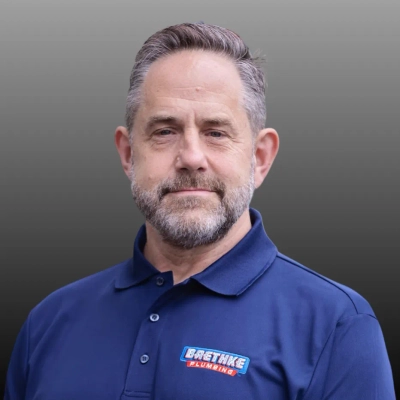
As the owner of a 30-year Chicago plumbing firm and a past President of the Illinois PHCC, I've seen how professional development creates lifelong industry advocates. We mandate 52 hours of annual training for every employee, ensuring they leave with advanced certifications like the Cross Connection Control Device Inspector license.
I view offboarding as a transition within the trade, focusing on "Skill Portability" to ensure our reputation is upheld by anyone who has worn our uniform. When team members like Bill join us from unrelated industries, we prioritize turning them into highly skilled pros whose expertise makes our brand look good regardless of where they work next.
Our specific practice is providing active sponsorship through the Joint Apprenticeship Committee even during a career transition. Supporting a departing employee's placement in a specialized industry board role has directly led to high-value referrals for complex projects like tankless water heater installations and solar applications.
Send Handwritten Appreciation After Farewell
We believe offboarding works best when it protects the person's dignity, the team's continuity, and the company's memory. Many exit processes focus on removing access and miss the human side of leaving. A better approach includes one clear debrief, one peer thank you, and one short summary of what the person built or improved. This final note shows that we saw the value of the work.
One simple practice has helped us later. We send a handwritten note within two weeks after departure and mention a real strength while wishing the person well. It may seem small, but it changes how leaving feels. One former employee kept the note, referred candidates to us, and later became a trusted partner.
Share Credited Ship Stories Publicly
We design offboarding by turning departing employees' work into permissioned "ship stories" they can own and share. For each exit we published a short case card (problem, action, result) plus a 60-second Loom showing what they built, with names credited and explicit permission. We reposted those stories on LinkedIn and pinned them to the role's job description so candidates and alumni could see the work and the people behind it. That practice delivered clear value: referral applications rose about 25%, offer acceptance rose about 12%, time-to-fill for senior roles fell, and candidates felt more connected to the team.

Invite Alumni To High-Impact Trade Events
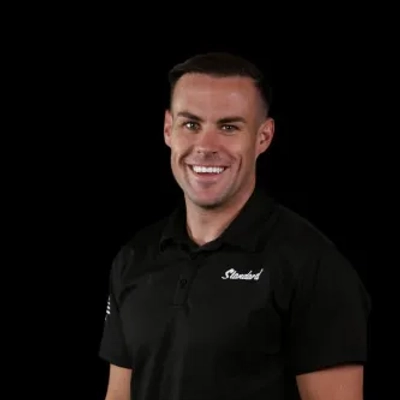
As the Vice President of Standard Plumbing Supply and a third-generation leader, I've seen our team grow to 150 locations by treating our employees with the same "customer is the boss" mentality. Having started at eight years old sweeping warehouses, I know that maintaining a reputation for reliability in the trades starts with how you treat people on their last day.
We approach offboarding as a "relentless improvement" opportunity, using exit interviews to gather honest feedback on how we can help our contractors win more effectively. We view departing staff as future industry partners who will eventually sit on the other side of the counter as our customers or project managers.
One practice that delivered clear value was inviting alumni to our high-impact contractor trainings and trade events to keep them connected to our technical expertise. This led to a former team member moving to a major building firm and later choosing our Vendor Managed Inventory (VMI) program because they already understood our operational commitment to service.
Maintaining these professional ties ensures that even when someone moves on, the trust we built remains a functional asset for the business. This culture of respect creates a pipeline for "boomerang" hires who return to leadership roles with a deeper appreciation for our mission to serve people and build trust.