
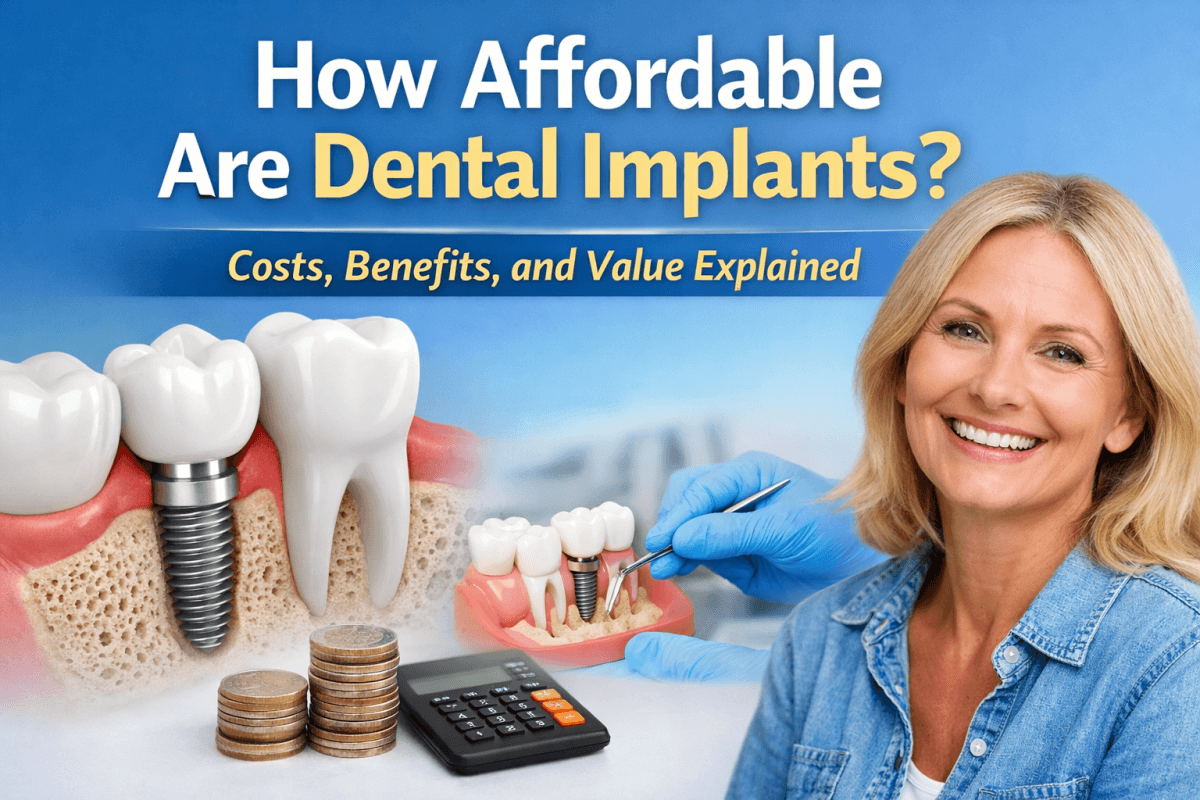
Dental implants represent a significant investment in oral health, but their cost can be prohibitive for many patients. Understanding the components that contribute to the expense—including advanced imaging, surgical placement, high-quality materials, and skilled dental expertise—is crucial for making informed financial decisions. Unlike dentures or bridges that may require replacement every 5–10 years, dental implants can last decades with proper care, offering long-term value that may justify higher upfront costs.
Several factors influence the price of dental implants, with location playing a key role. Clinics in urban or upscale areas often charge more due to overhead, while smaller towns or suburban practices may provide comparable quality at lower rates. The dentist's experience also affects pricing, as more seasoned professionals typically reduce complication risks, potentially saving money on corrective procedures. Material choice is another consideration; titanium implants are generally more affordable than zirconia alternatives, which are metal-free and often selected for cosmetic or allergy reasons.
Patients seeking affordability should compare multiple dental clinics, obtaining at least three consultations to evaluate all-inclusive pricing and avoid hidden fees. Dental schools offer another avenue for cost reduction, with advanced students performing procedures under expert supervision at significantly lower rates, though treatment timelines may be longer. Many clinics provide payment plans through in-house financing or third-party lenders, making expenses manageable through monthly installments. For those considering dental tourism, it is essential to weigh lower prices against travel expenses, follow-up care challenges, and potential variations in clinical standards.
Dental insurance rarely covers implants fully, but it may offset costs for related procedures like tooth extractions, crowns, or X-rays. Alternative financing options such as health savings accounts (HSAs), flexible spending accounts (FSAs), and medical credit programs can further reduce financial burden. When implants are not feasible, affordable alternatives like modern dentures or dental bridges serve as temporary solutions, though they may involve more dental work over time.
To ensure quality, patients should vet dentists by reading verified reviews, inquiring about implant success rates, and requesting before-and-after photos. Red flags include prices that seem too good to be true, unclear treatment plans, or lack of credentials. Understanding the full scope of costs—from pre-treatment exams and bone grafts to post-procedure care and adjustments—helps avoid financial surprises. Ultimately, obtaining affordable dental implants involves balancing cost with quality, making strategic choices that protect both oral health and financial well-being.
For HR vendors, these insights are critical when designing or recommending dental benefit plans. Employers increasingly seek cost-effective yet comprehensive coverage for employees, and understanding the nuances of implant pricing can help vendors tailor offerings. The long-term value proposition of implants may appeal to companies aiming to reduce overall healthcare costs, as implants often require fewer replacements than bridges or dentures. Additionally, financing options like HSAs and FSAs can be integrated into benefit packages, making implants more accessible. By staying informed on trends in dental implant affordability, vendors can better advise employer clients and enhance their product portfolios.
