
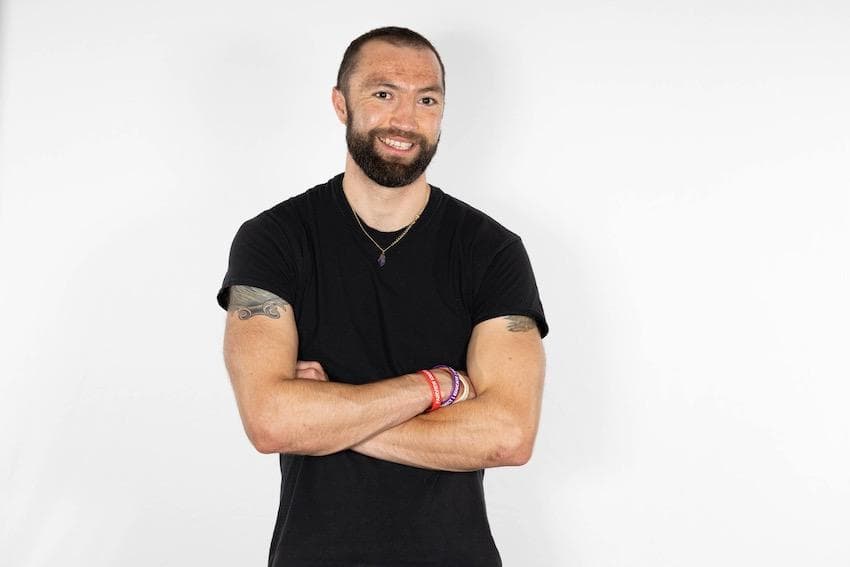
In an industry where one-size-fits-all wellness programs often dominate, James Anderson, CSCS, founder of Better Everyday Athletics, is championing a more tailored approach to fitness for individuals with developmental disabilities. His methodology, outlined in the Better Every Day Method, is built on five core principles designed to foster confidence, independence, and holistic well-being. For HR vendors and talent management professionals, this approach signals a growing need for inclusive wellness solutions that cater to diverse employee populations.
Anderson's first principle, “meet people where they are,” emphasizes understanding an individual's unique abilities and starting point rather than forcing them into a conventional fitness regimen. Through initial consultations, Anderson adapts movements to each person's needs, ensuring that fitness is accessible and meaningful. “Fitness shouldn't be about forcing someone into a program that wasn't designed for them,” Anderson explains. Instead, the goal is to use movement to help individuals make progress at their own pace.
The second principle, “moving with purpose,” stems from Anderson's background in both personal training and behavioral health. He observed that purposeful movement could extend beyond physical exercise, becoming an integral part of daily routines and supporting broader life goals. This insight is particularly relevant for HR professionals seeking to implement wellness programs that address mental and emotional health, not just physical fitness.
Building better habits, the third principle, focuses on sustainable progress rather than quick fixes. Anderson notes that progress can manifest in various forms—from increased strength to enhanced confidence or learning new skills. Even small victories, like discovering “I can do this,” are celebrated. This principle underscores the importance of long-term wellness strategies over short-term challenges, a key consideration for vendors designing employee wellness offerings.
Anderson's fourth principle, “strengthening the whole family,” highlights the ripple effect of healthy habits. Drawing from his own experience as a father, he realized that maintaining his fitness helped him manage stress and better care for his daughter. This philosophy is central to his book, Legacy of Health: A Parent's Guide to Building Strength, Energy, and Longevity for the Next Generation, which encourages parents to model healthy behaviors for their children. For HR vendors, this principle suggests that wellness programs can positively influence not just employees but their families, potentially enhancing overall workforce well-being.
The fifth principle, “creating lifelong independence,” is the ultimate goal. Anderson's work has already yielded tangible results: one parent reported her daughter developed “confidence and empowerment,” while another noted her son progressed from unable to run a quarter mile to regularly biking to the store. Julie McNeil, Day Program Director at FRIENDS of Broomfield, praised Anderson's ability to “understand individual needs and capabilities before challenging clients to achieve more.” These testimonials underscore the real-world impact of inclusive fitness.
For HR vendors and talent management professionals, Anderson's approach offers a blueprint for developing more inclusive wellness programs that accommodate employees with disabilities. By focusing on individualization, purposeful movement, and long-term habit building, vendors can differentiate their offerings and better serve a diverse workforce. Anderson's message is clear: “Start with the person, not the program.” This philosophy may well reshape how the HR industry approaches wellness, making it more holistic and person-centered.
To learn more about James Anderson and Better Everyday Athletics, visit mybettereveryday.org. Organizations interested in bringing Anderson in for a keynote, workshop, or presentation can visit mybettereveryday.org/speaking-engagements.
